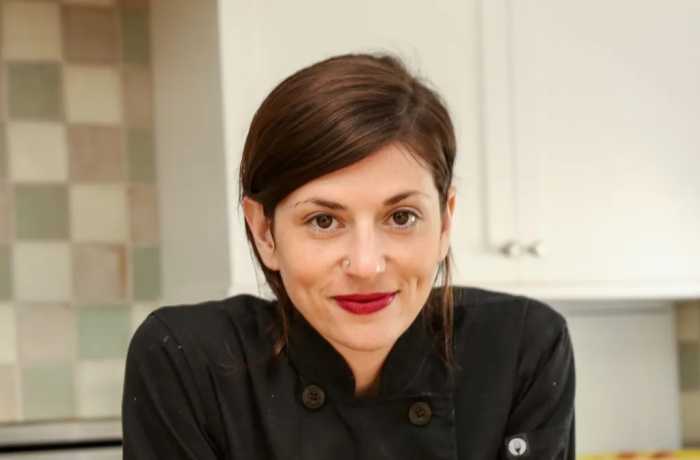
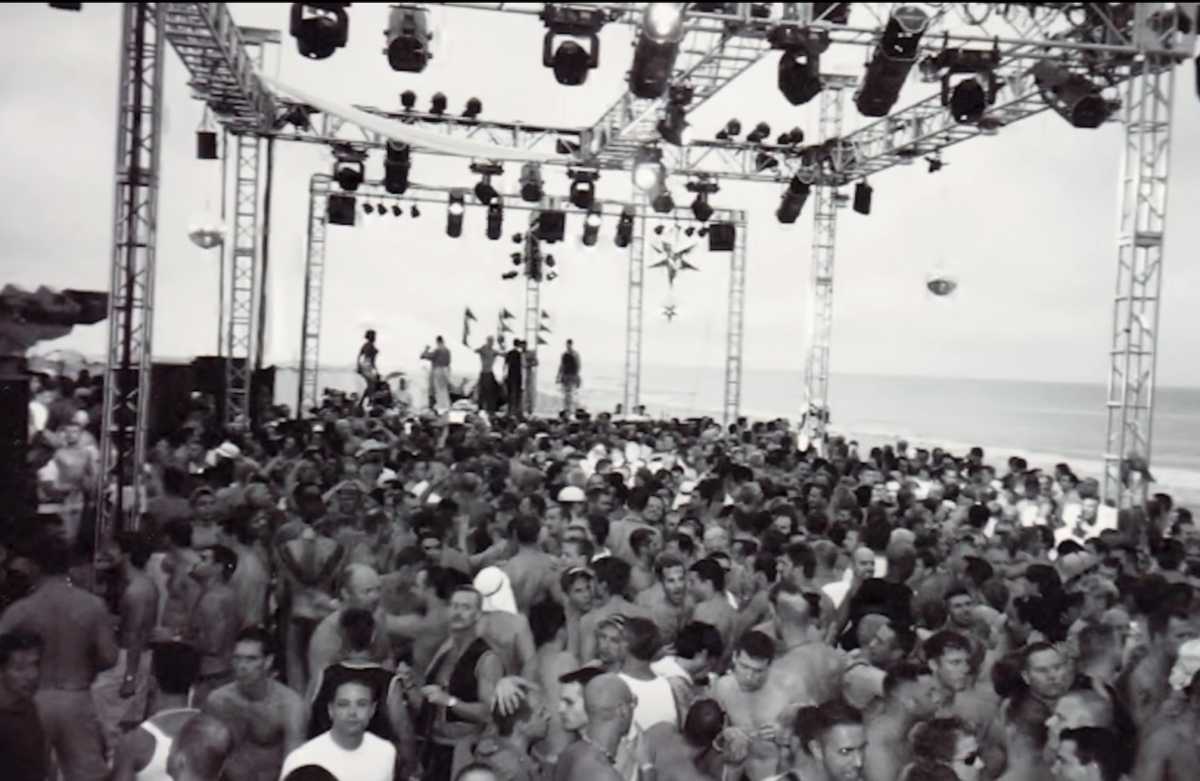
In 2023, a new docuseries premiered called “Finding Fire Island,” uncovering and celebrating its LGBTQ roots. Created, executive produced, and narrated by queer culture maven Jess Rothschild, the episodic documentary featured interviews with celebs like Margaret Cho and Matt Rogers, focusing on Cherry Grove, considered the first resort enclave on the island.
Just in time for Pride Month, the series launched its second season, where The Pines gets the spotlight. Episodes center on topics like the decades-long friendly feud between the two adjacent communities (the episode is titled “Heated Rivalries”), innovative club culture (“DJs and the Dance Floor”) and the ample chances for hookups (“Sex Before the Internet”). Episodes are available on YouTube, SiriusXM, Spotify, Apple Podcasts, and Amazon Music.
Gay City News recently caught up with Rothschild, who also hosts a popular podcast titled “Hot Takes & Deep Dives,” to discuss the trajectory of the docuseries, as well as the biggest surprise she encountered while creating season two. The interview has been condensed and edited.
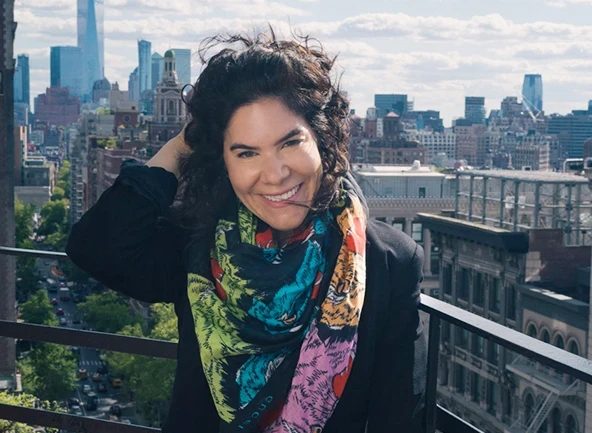
What first sparked the idea for the “Finding Fire Island” docuseries?
The idea really came out of a major breakup and a few weeks I spent in The Pines that completely changed how I saw Fire Island. I’d been going to Cherry Grove since 2008, always with my lesbian friends, and we never really ventured into The Pines because my friends weren’t looking for the kind of gay male community that I personally feel very comfortable in. My long-term partner preferred the Hamptons, so our “summer life” was focused out there. When that relationship ended, a friend invited me to stay at a guest house in The Pines, and it was the perfect escape. For the first time, I could fully indulge my connection to Fire Island and realized, “Oh my God, this is where my community is,” as I kept running into people I knew from New York City.
Once I fell in love with Fire Island in that holistic way, I went looking for history. I learned about Cherry Grove drag legend Rose Levine and the Invasion of The Pines. I screened one of the few documentaries about Fire Island’s queer past, “When Ocean Meets Sky,” released in 2003. I read Esther Newton’s “Cherry Grove, Fire Island,” an encyclopedic oral history published in 1993, Andrew Holleran’s “Dancer from the Dance,” and books by Edmund White, which helped me feel the place on a literary level. The resources were spotty, however, and I realized there was an urgent need for a more comprehensive documentary to preserve this rich vanishing history.
What was the reaction to season one?
Incredibly positive. Ever since “Finding Fire Island” came out, people have been coming up to me saying how much they love the series. They ask if I’m going to do another season and they share their favorite “cast members” like Ben Rimalower, who is very funny in the series. Eventually, the docuseries was nominated for a GLAAD Award and became a beloved project in the community.
Season one covered a lot of ground in eight episodes. Why did you decide to do a second season?
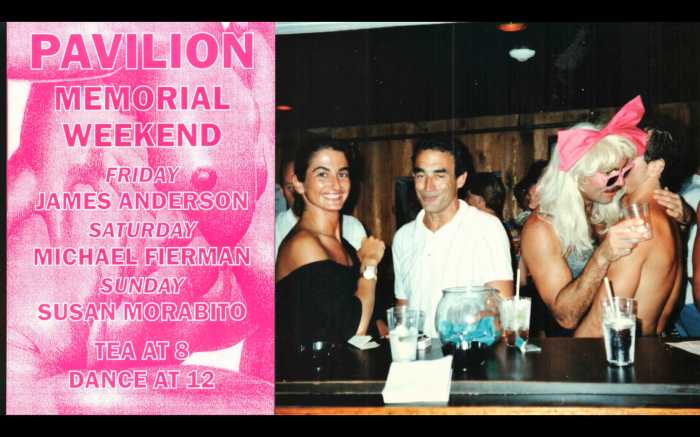
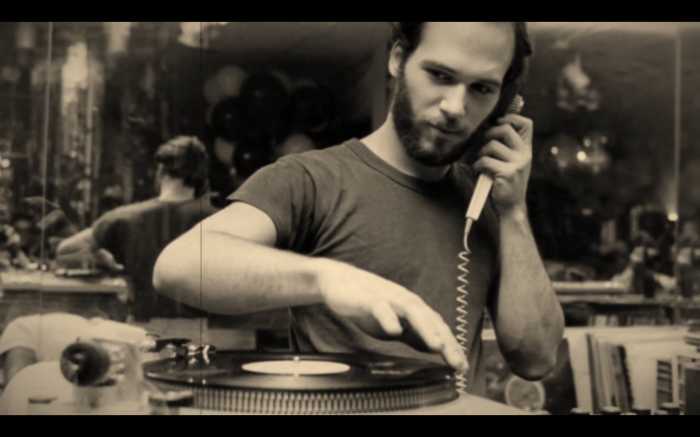
Interestingly, the second season wasn’t my idea at all. I was approached by The Pines Historical Society about a year ago. The founder, along with the president John Dempsey, had appeared in season one as Pines historians, so they knew my work. They said they wanted to capture the stories of older members of The Pines community — kind of like the Bob “Rose” Levines and Thom “Panzi” Hansens of The Pines. Panzi is most notable for spearheading the original Cherry Grove Invasion of The Pines in 1976. The Historical Society led me to Pines icons like Bob Howard (Pines real estate broker and founder of High Tea) and legendary Pines DJs like Robbie Leslie and Susan Morabito. As well as the longtime owners of The Pines Pantry, Laurie and Eric Schrader.
Initially, the Historical Society just wanted to record interviews that would live on a podcast, but I felt they needed a stronger platform. I came back to them from a marketing perspective and said, “What if we did a second season of ‘Finding Fire Island,’ which is a popular, existing intellectual property I already have?” My proposal was to shift the focus to The Pines and go deeper into its largely gate-kept history. They loved that concept.
One of the big Pines traditions was the Morning Party in the 1980s and early 1990s. Do you discuss that in the series?
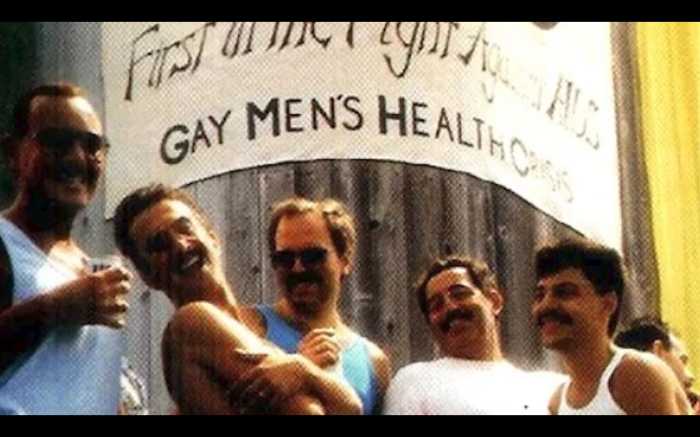
Yes, the Morning Party is covered in episode six, titled “Broadway on the Beach.” In season one, I explored how the HIV/AIDS epidemic was felt in Cherry Grove — how, as men died, women bought those houses and the Grove evolved into a lesbian community. In The Pines, the response was different: the community did what it does best, putting creative minds to work to throw parties and fundraisers. That tradition goes back to Beach 79, a major fundraiser to buy a new fire truck that inadvertently created the circuit party culture. In season two, we look at how HIV/AIDS was felt in The Pines through events like The Morning Party, the Fire Island Dance Festival, and Broadway Bares. Jerry Mitchell, who lives in The Pines, tells the story of how Broadway Bares was born during his first trip there, and Billy Porter helps flesh out the broader Broadway connection to The Pines.
The visuals in the series are stunning. What percentage is vintage images versus footage you shot yourself?
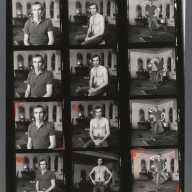
Roughly 75% of the visuals are archival photographs or footage. Most of the vintage photographs come from The Pines Historical Society’s archive via their website. Much of the film footage comes from the Cherry Grove Archives Collection, which granted me access during the first season and continues to be a crucial partner. Their material really makes the story come to life.
The remaining visuals are a mix of things I shot myself and material sourced from people in the series. I asked participants to go through their phones and send me photos and videos from Fire Island and many of those personal collections ended up in the series. I also shot specific sequences myself — like the episode focusing on the history of The Pines Pantry and the fire departments in both Cherry Grove and The Pines — because there simply isn’t existing video of those places.
What was the biggest surprise you encountered while creating season two?
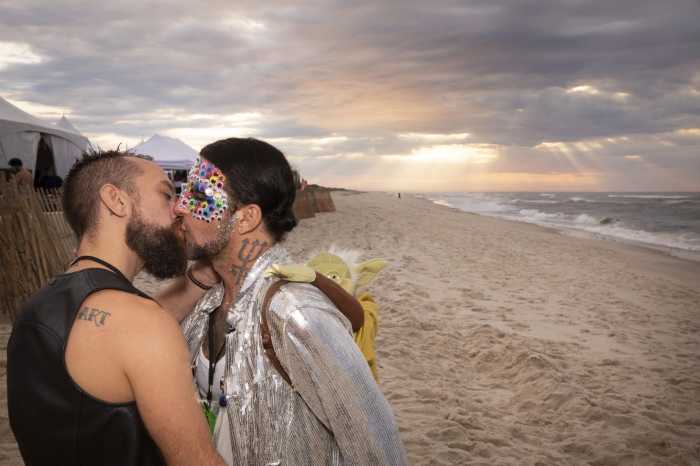
One of the biggest surprises was realizing how uniquely The Pines allows people to step into history and create their own legacy within it — perhaps more than any other gay community like Provincetown or Palm Springs. A great example is the Doll Invasion, a contemporary spin on the original 1976 Invasion of The Pines. Fran Tirado, a trans woman, started coming to The Pines before she transitioned and felt she didn’t quite fit into the gay male community. After transitioning, she thought, “What if we threw a big doll festival?” — “doll” being slang for a trans woman — and launched a weekend-long event that’s now in its fourth year. It’s a powerful illustration of how someone can have an idea and execute it in a public space, instantly weaving themselves into the fabric of Pines history.
Another example was the long-running Labor Day drag party where anyone in theme drag could attend.
The Labor Day drag party was a beloved institution. I spoke to Chris DeCarlo, who created that party with his friends and he told me the whole origin story, which I found unbelievable and inspiring. More broadly, I was struck by how The Pines is physically built for socializing in people’s homes — large decks, pools, and spaces for hosting — whereas Cherry Grove isn’t structured that way, so large dinner parties are far less common. That architectural difference shapes the social culture and helps make The Pines, in my view, the most fabulous place on earth for that kind of communal experience.
Finally, what’s the main takeaway from season two?
I hope season two demystifies The Pines’ reputation as exclusionary and relentlessly white and male. I’m a gay woman and I feel deeply welcomed there. Every time I visit, I see more women and more people of color, and I think the series does a lot to challenge that bad reputation.
I also hope it shows that the magic of The Pines is created by the community itself, not by corporate interests. Unlike Provincetown or Puerto Vallarta, which are commercially built around big hotels and businesses that run events and can feel overrun by commercialism, Fire Island is the opposite — there’s barely anywhere to eat or shop, and the major events are driven by volunteers. The fire department is volunteer-run, The Pines Party — the biggest event of every summer — is organized by volunteers, and the Fire Island Dance Festival likewise depends on people donating their time. There’s no corporate overlord; it’s the people who make the magic, and that kind of community-driven culture is incredibly rare.