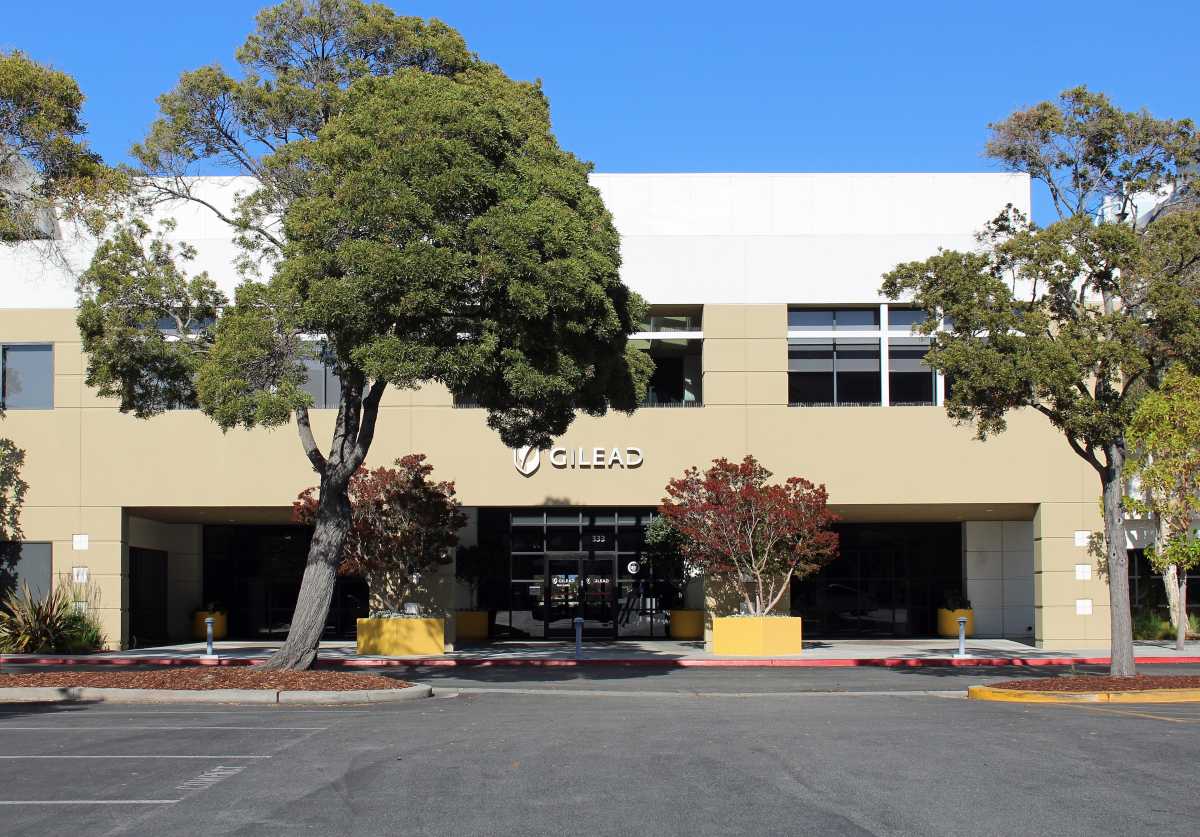
As part of a years-long effort by PrEP4ALL and other HIV groups to get Gilead Sciences, a pharmaceutical company, to lower the cost of Truvada, which is used in pre-exposure prophylaxis (PrEP) that prevents people who are HIV negative from acquiring the virus, PrEP4ALL has sued several federal agencies seeking copies of an agreement they entered into with Gilead in early 2025 that settled lawsuits brought by the federal government against Gilead in 2019 and a counter-suit brought by Gilead in 2020 against the federal government.
“If government-held patents and taxpayer-funded science leads to life-saving HIV prevention, then the public deserves full transparency on what happens next,” said Jeremiah Johnson, the executive director of PrEP4ALL, a leading HIV prevention group, in a statement. “Right now, that transparency is missing and that’s why we’re taking action. People deserve to understand the agreements shaping access to care that can impact their lives.”
In 2012, Gilead won approval from the federal Food and Drug Administration (FDA) to market Truvada as PrEP. Truvada was approved to fight HIV in infected people in 2001. The science that developed PrEP was done by the federal Centers for Disease Control and Prevention (CDC), but Gilead declined to share revenue with the government. The federal government sued Gilead in 2019 seeking compensation. Gilead counter-sued in 2020 charging that the government had violated existing contracts. Just days before Donald Trump was to be sworn in for his second term in the White House, Gilead and the federal government ended the lawsuits with a settlement agreement that referred to a materials cooperative research and development agreement (M-CRADA) the parties signed. The settlement agreement and the M-CRADA were not public initially.
PrEP4ALL sought copies of the settlement using a Freedom of Information Act (FOIA) request in February 2025 and received a copy in September 2025 after suing in federal court in August 2025. Finding the reference to the M-CRADA, PrEP4ALL sought a copy of that document and any related documents in an October 21, 2025 FOIA request made to multiple federal agencies, but the agencies became increasingly unresponsive over time.
“Defendants [Department of Health and Human Services], [Department of Justice], CDC, and [National Institutes of Health] have not released any responsive records, notwithstanding the FOIA’s prescribed time limits and the simplicity and specificity of the requests made to the agencies,” PrEP4ALL wrote in its April 28 federal court filing.
“The undisclosed agreement may contain critical information about future HIV prevention research, including potential plans related to long-acting PrEP options like lenacapavir, as well as commitments that could impact access, pricing, and public health strategy,” PrEP4ALL wrote in a statement. “PrEP4All intends to analyze and publicly share the M-CRADA once obtained, providing transparency to the HIV/AIDS community, policymakers, and the public about decisions shaping the future of HIV prevention.”
Lenacapavir is used in Yeztugo, which is a twice-a-year injectable drug that also prevents HIV-negative people from becoming infected. The effort to get Gilead to reduce what it charges for PrEP has been ongoing for years, with HIV groups asserting that the cost of PrEP is an obstacle to people using a drug that is highly effective at preventing people from becoming infected when the drug regimen is used correctly. The court filing asserted that Gilead was charging “an average wholesale price of over $20,000 per patient per year for PrEP” and that Gilead “earned at least $10 billion from PrEP sales between 2015 and 2021 in the United States.” Current estimates are that roughly 600,000 Americans are using PrEP. A 2025 study in the Annals of Epidemiology estimated that up to 2.25 million Americans would benefit from using PrEP as of 2023.
Gilead did not respond to a request for comment.