
In observance of STI Awareness Week, the New York City Department of Health and Mental Hygiene on April 14 announced a five-year contract extension with a condoms provider to continue providing New Yorkers access to safer sex resources for free.
Through the city’s newest contract with ONE Condoms, which will now last through January of 2031, New Yorkers can get free access to a selection of different condom options, including “ONE Super Sensitive,” “ONE Legend XL,” “ONE Extra Strong,” and “ONE FlavorWaves,” according to the city health department.
Businesses and other organizations seeking to distribute free condoms and lubricant can place orders through the NYC Safer Sex Portal, which allows organizations to receive five boxes of any combination of either external condoms or lubricant, with 1,000 items in each box. Businesses can also order one box of 1,000 internal condoms.
In announcing the contract renewal, the city made it a point to emphasize that although rates of many sexually transmitted infections have started to dip, the rates are higher within poorer neighborhoods, communities of color, and youth. Chlamydia and gonorrhea rates in very high poverty areas were three times higher in 2024 than in low-poverty neighborhoods, and syphilis rates among Black women was nine times that of white women.
The city also acknowledged seasonal upticks in cases of mpox, which first broke out among men who have sex with men in 2022. While mpox cases decreased significantly from the initial outbreak, cases have continued to be reported in New York City — and there were more than 60 cases last October before eventually subsiding again. Last month, the city reported its first case of mpox clade I, which can lead to more severe outcomes than the more common clade II.
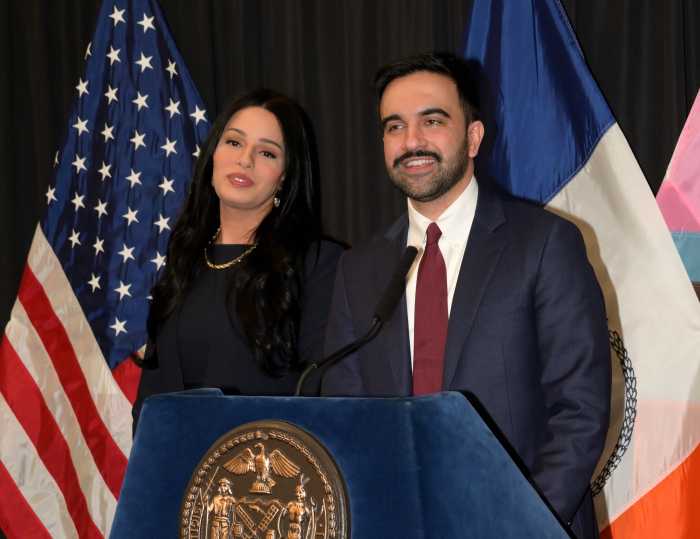
“It is essential that New York City continues to invest in the necessary resources that ensure that New Yorkers have access to HIV and STI prevention methods, including safer sex products,” NYC Health Commissioner Dr. Alister Martin said in a written statement. “That is why we are excited to announce our contract renewal with ONE. And while we are pleased to see a decline in some STI rates in 2024, the inequities across race, ethnicity, and neighborhood among other factors are not acceptable. Every New Yorker, regardless of who they are, where they live, or how much money they make deserves access to safer sex tools they need to stay healthy.”
New York City’s Sexual Health Clinics provide low- to no-cost services for STIs, including HIV, and also offer contraceptive care and medication abortion. City health officials are also encouraging New Yorkers to utilize the NYC Health Map to discover locations offering doxy PEP, which is an STI prevention antibiotic to protect against syphilis, chlamydia, and gonorrhea. For information on clinic locations, hours of operations, and available services, folks can visit nyc.gov/sexualhealthclinics.
Out Councilmember Lynn Schulman, who chairs the Health Committee, said the city’s contract between the city and ONE Condoms represents an example of partnerships that are critical to “meeting people where they are and providing the tools that they need to protect their health.”
“Access to sexual and reproductive health care is a fundamental part of public health,” Schulman said in a written statement. “I’m proud to support the NYC Health Department’s continued work to expand access, reduce stigma, and ensure every New Yorker — regardless of zip code, income, or background — can make informed choices about their wellbeing.”