Poetry and documentary can work at cross purposes. On the surface, Sasha Waters’ “Mary Oliver: Saved By The Beauty Of The World” is a straightforward, biographical account of its subject’s life. It’s full of talking heads interviews and celebrities reading the lesbian poet’s verses. Yet much of the film pulls against this impulse. PBS’ “American Masters” series, which produced this film, tends to fit artists’ lives into a standardized form, no matter how radical their own work is. (The TV network will air it in August.) Chronicling a “nature poet,” “Mary Oliver: Saved By The Beauty Of The World” makes such extensive use of the settings which inspired her writing that they transcend illustrative B-roll. The film becomes a way of incorporating Oliver’s ethos into another medium.
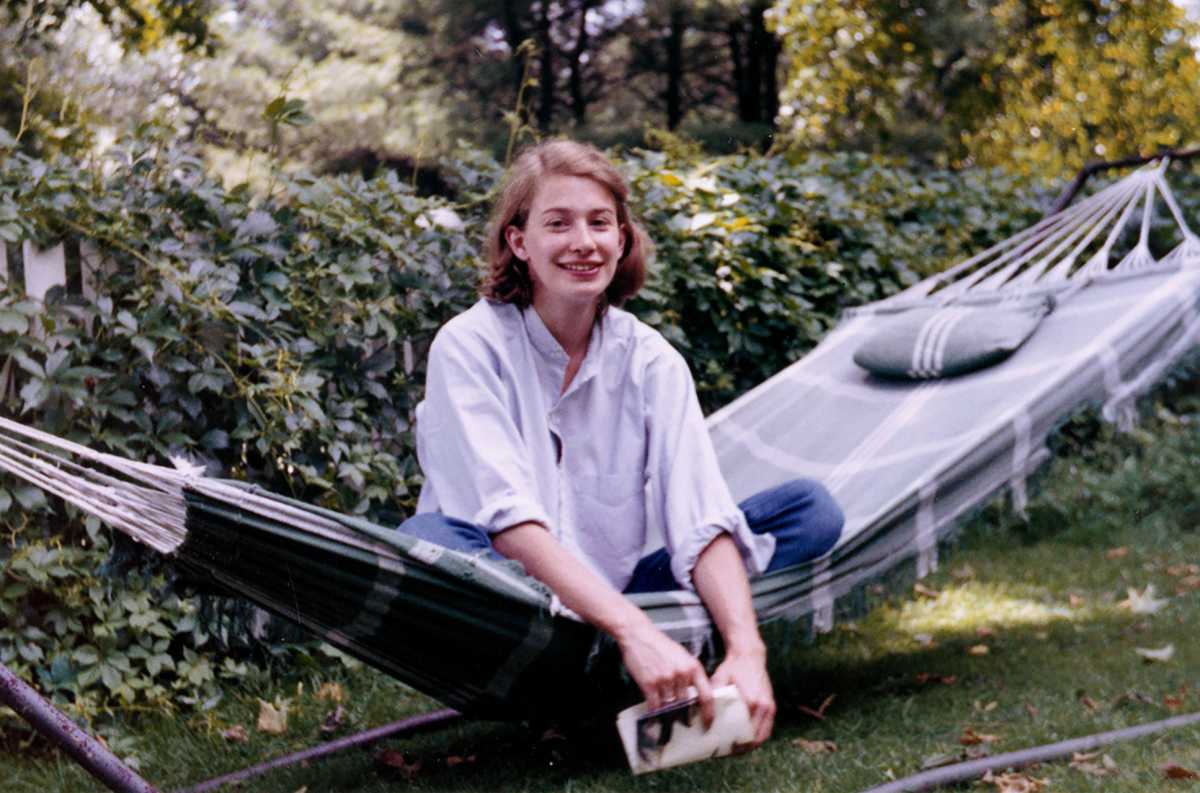
Born in a Cleveland suburb, Oliver developed an passionate relationship with the natural world. Cities didn’t suit her. At 14, she began writing poetry. Provincetown, Massachusetts became home for most of her life, offering the beauty of the sea and a bohemian social circle with a large LGBTQ community. Until her partner, photographer Molly Malone Cook, passed away in 2005, the two were together for 40 years. Oliver struggled with poverty till she won the Pulitzer Prize in 1984, working a series of part-time jobs (including typing Norman Mailer’s manuscripts) and even harvesting wild birds’ eggs for food. That reward finally gave her a taste of commercial success. While her reputation among fellow writers suffered, she became the country’s best-selling poet. The fact that Stephen Colbert, Oprah Winfrey, John Waters, Lucy Dacus, Maria Shriver, and V (the playwright formerly known as Eve Ensler) all appear in this film demonstrates the impact she made and the breadth of her associates and readers.
Sasha Waters stitches together the kinds of images that would have excited Oliver, using them as a running thread. She uses archival imagery extensively, but never literally. Occasionally, it illustrates a place or time, like a scene of hippies applying body paint in ‘60s Provincetown. As people speak about Oliver or read her words, the film turns towards pigeons perching on rocks, a turtle enjoying a beach’s shallow water or a bear gnawing on a salmon it just killed. These shots have a lovely faded look: whatever their source, they all resemble home movies.
John Waters calls Oliver “a gay woman who didn’t fit in her own minority.” While she was openly lesbian in Provincetown, she didn’t speak publicly about her sexuality. Although her actions demonstrated her determination to live more freely than women are expected to, she rejected any association with the feminist movement. When asked at a reading if she’d write a poem about AIDS, she said she certainly thought about it but didn’t think she’s succeed. (In the ‘80s, proposing that question might have been a polite way to push her to speak about her sexuality.) She valued her privacy to a degree that defied expectations that a queer artist should make work about their identity. The film can’t cite any record of Oliver speaking about her attitudes towards these issues. She rarely opened up to journalists.
“Mary Oliver: Saved By The Beauty Of The World” points towards darker impulses in her life without filling in the blanks. John Waters relates a period of heavy drinking and cigarette smoking following Cook’s death, which led to a new relationship and a move from Provincetown to Florida. Neither appear to have been good for Oliver. In a 2011 interview with Shriver, Oliver finally got confessional about having suffered sexual abuse. In her 70s, she also spoke about her love of nature in more political terms. The film opens up about subjects the writer was reluctant to discuss, but it avoids the temptation to gossip. “Mary Oliver: Saved By The Beauty Of The World” doesn’t treat her work as a puzzle to be cracked open, with just one solution. The film is molded around Oliver’s aesthetic, rather than forcing her life into its own terms.
“Mary Oliver: Saved By The Beauty Of The World” | Directed by Sasha Waters | Kino Lorber | Opens at IFC Center July 3rd