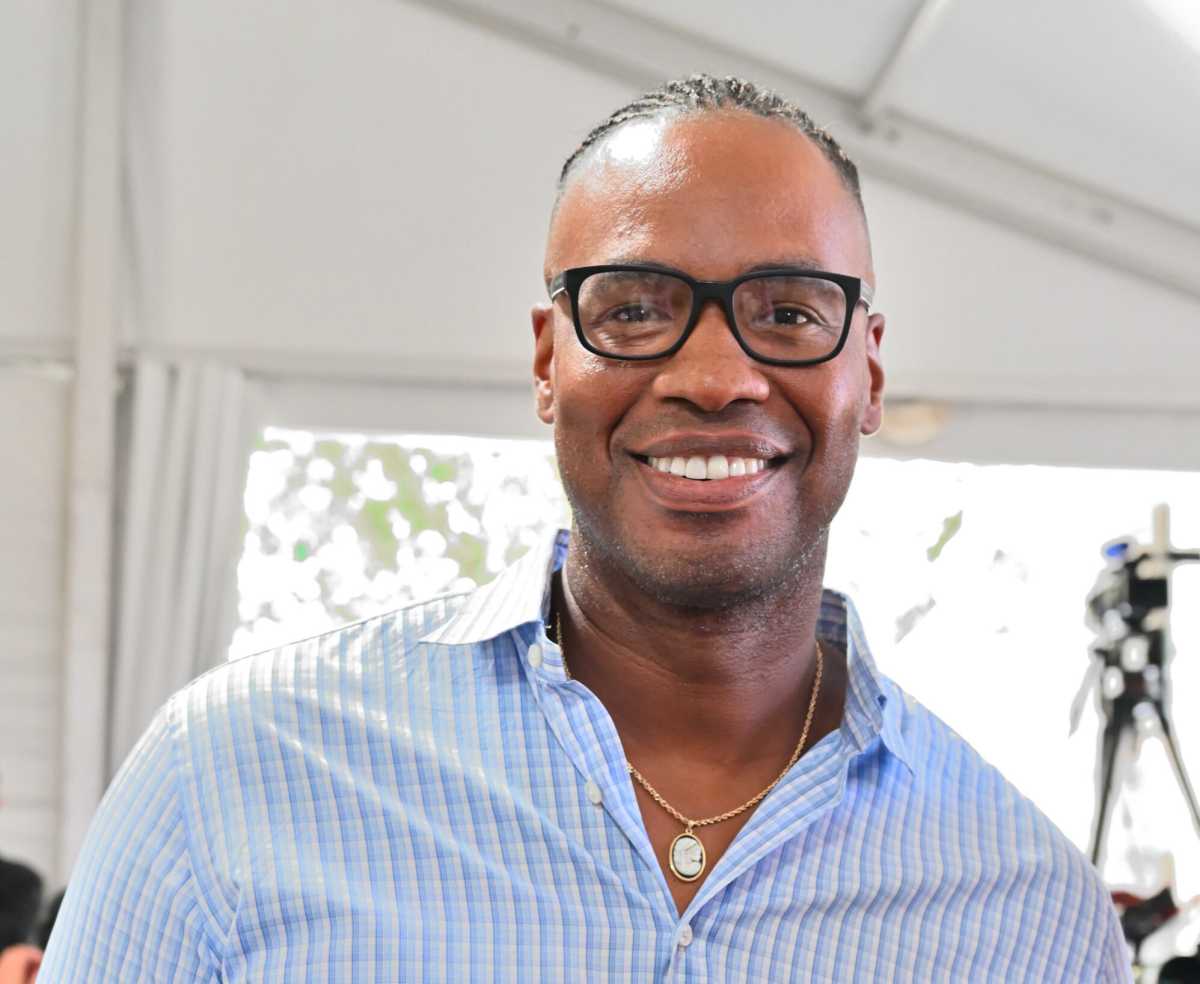
Jason Collins, who shattered basketball’s barriers and inspired sports fans around the globe in 2013 when he became the first out gay player in NBA history, died of brain cancer on May 12 at the age of 47.
In December, Collins announced he was diagnosed with stage 4 glioblastoma — an aggressive form of brain cancer — just months after he married his longtime partner, Brunson Green. Collins said at the time that his diagnosis “came on incredibly fast,” and he traveled to Singapore for treatment.
“Jason changed lives in unexpected ways and was an inspiration to all who knew him and those who admired him from afar,” Collins’ family noted in a statement issued through the NBA. “We are grateful for the outpouring of love and prayers over the past eight months and for the exceptional medical care Jason received from his doctors and nurses. Our family will miss him dearly.”
The former NBA player’s death comes 13 years after he transformed the sports world forever. Collins was a little-known veteran free agent when he came out in Sports Illustrated, making him a household name virtually overnight. He went on to sign with the Brooklyn Nets, where he was embraced by fans who loudly chanted his name and roared with applause after he stepped on the court in his first home game as an out gay player.
“That moment was pure love — love and support,” Collins told Gay City News in a 2024 interview. “The fans, the community all supported me in that moment. Taking the court for the first time on my home court in the Barclays Center was absolutely something that I will remember for the rest of my life. The fans in New York City are second to none.”
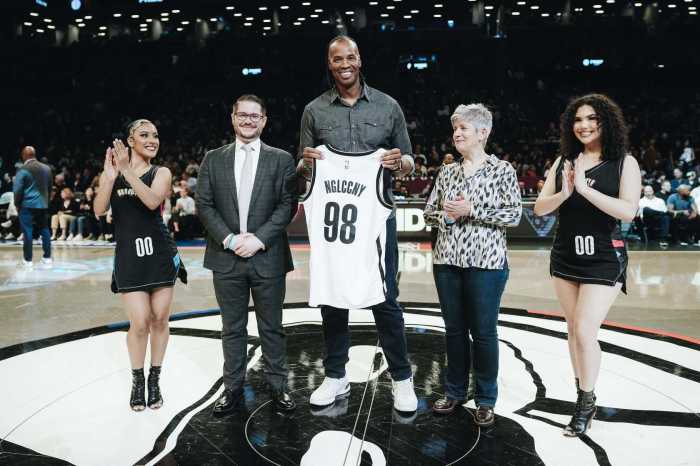
Collins, who retired after playing 22 games for the Nets in 2014, went on to become a vocal advocate for inclusion over the next decade. Just last year, he joined Nets’ Pride Night and flew to San Antonio to help lead an LGBTQ youth inclusion clinic at the Final Four. Collins spoke passionately about inclusion during a follow-up interview with Gay City News last April in the midst of widespread efforts to restrict the rights of trans athletes.
“It’s constant attack after attack on vulnerable groups in our society, and more directly with trans and non-binary athletes,” Collins told Gay City News last year. Rather than fighting against inclusion, Collins said, “it should be a matter of making sure that everyone feels welcome and celebrated, and that’s our job as advocates.”
Collins, a center, started his career in 2001-02 with the Nets — when the team was in New Jersey — and moved on to play for the Grizzlies, Timberwolves, Hawks, Celtics, and Wizards before closing his career with the Brooklyn Nets. On the court, Collins was not known as a superstar — he averaged 3.6 points and 3.7 rebounds per game and often served as a backup — but he carved out a lasting legacy over more than a decade in the league.
“This one hurts,” Dallas Mavericks head coach Jason Kidd, who played with Collins and served as his coach during his final season, said in a post on X. “He had courage like you’ve never seen. He was an incredible teammate. And having him in Brooklyn at the start of my coaching journey meant so much. Those who knew him were blessed to call him a friend. You are already missed my brother. Rest in power.”
Anthony Nicodemo, a basketball coach and athletic director at Greenburgh-North Castle Union Free School District north of New York City, was so inspired by Collins’ coming out story that he came out later that same year. Nicodemo and Collins went on to lead youth sports clinics together.
“Jason Collins made everyone feel welcomed and changed countless lives,” Nicodemo said in an X post on May 12. “His impact will never be forgotten. I’m heartbroken that future generations won’t experience his laugh and inspirational talks. I’m grateful to have called him a friend and will profoundly miss him.”
NBA Commissioner Adam Silver, in a statement released on May 12, praised Collins’ legacy, saying his “impact and influence extended far beyond basketball as he helped made the NBA, WNBA, and larger sports community more inclusive and welcoming for future generations.”
The Brooklyn Nets also mourned Collins in a statement hours after his death.
“We are heartbroken to learn of the passing of Jason Collins,” the team said. “Jason spent eight seasons in a Nets uniform, helping define an era of our franchise and playing a vital role on our back-to-back Eastern Conference championship teams in 2002 and 2003. He was a constant in our locker room — selfless, tough, and deeply respected by teammates, coaches, and staff alike… Jason will always be a part of the Nets family, and he will be deeply missed.”