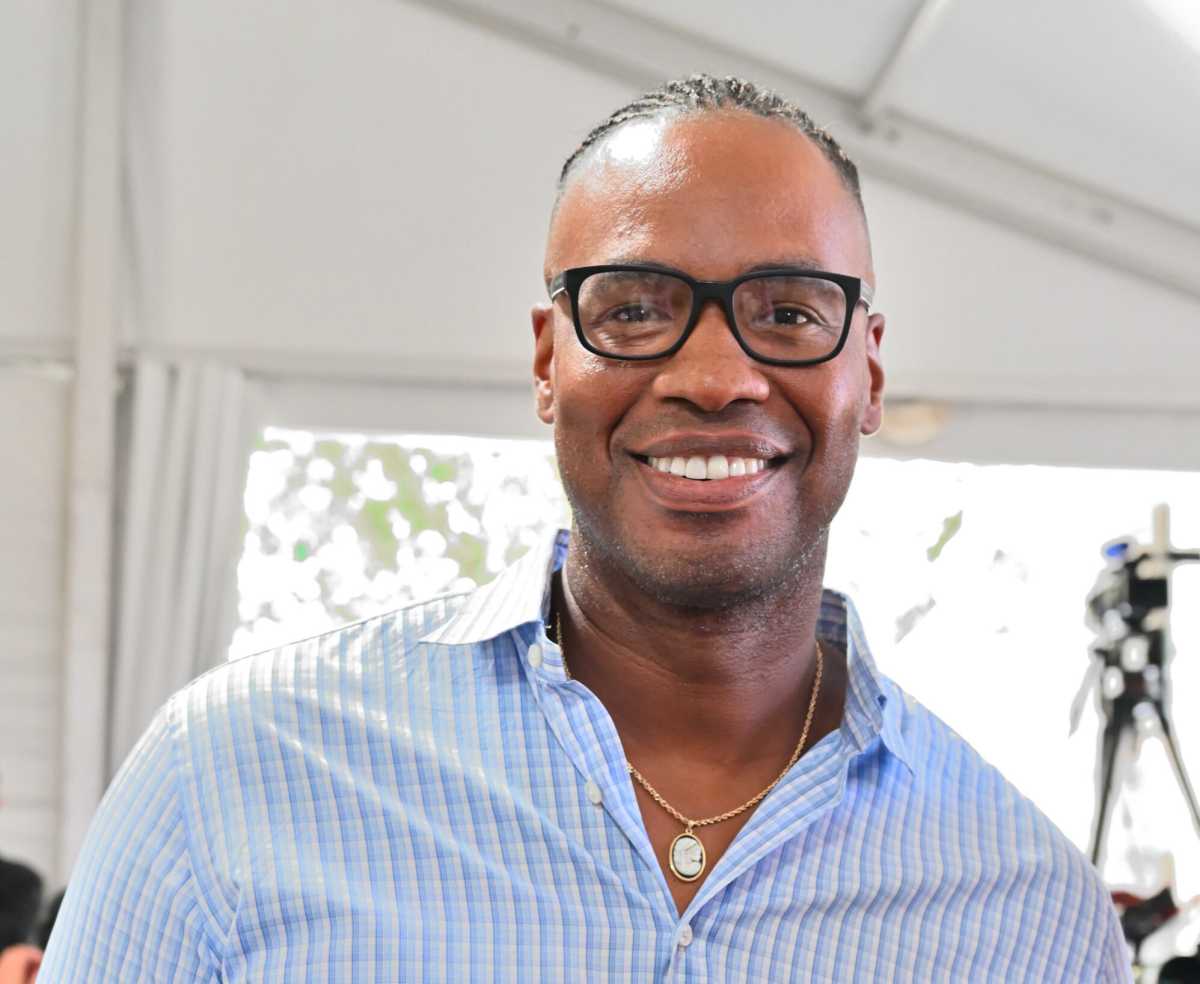
Jason Collins, the first out gay player in NBA history, revealed in an interview with ESPN that he has stage 4 glioblastoma — an aggressive form of brain cancer.
Collins’ devastating news comes just months after his family and the NBA said he had a brain tumor — an announcement intended “to protect my privacy while I was mentally unable to speak for myself and my loved ones were trying to understand what we were dealing with,” Collins said in a Dec. 11 ESPN article that was written from his perspective, as told to journalist Ramona Shelburne.
“But now it’s time for people to hear directly from me,” Collins said. “I have Stage 4 glioblastoma, one of the deadliest forms of brain cancer. It came on incredibly fast.”
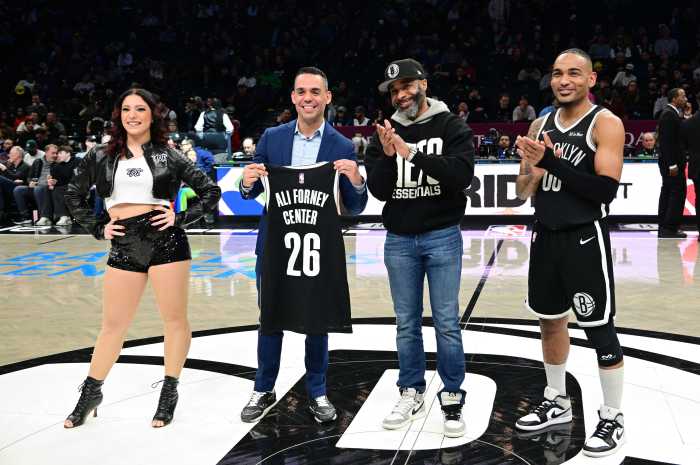
Collins appeared to be thriving earlier this year when he stood on the court at the Barclays Center for Nets’ Pride Night, flew around the country to facilitate LGBTQ youth inclusion clinics, and married his longtime partner, Brunson Green.
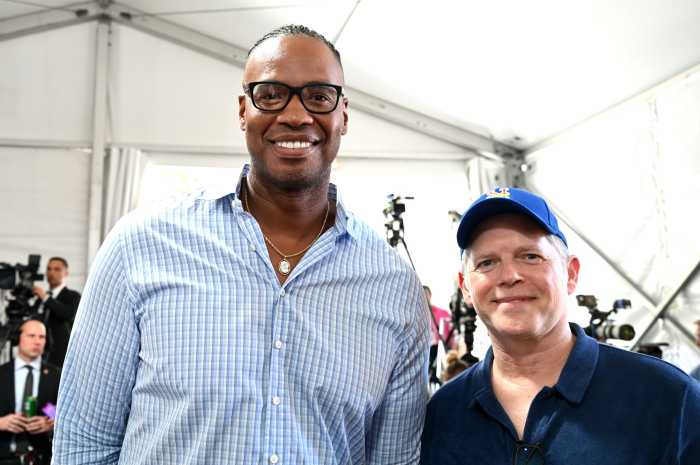
Within months, however, everything would change for the 47-year-old NBA veteran, who played for six NBA teams over the course of a 13-year career. He came out in 2013.
The first sign of trouble came in August when Collins said he missed a flight to the US Open because he was unable to stay focused enough to pack his belongings. He powered through what he described as “weird symptoms” for a week or two before receiving a CT scan that required further evaluation.
“According to my family, in hours, my mental clarity, short-term memory, and comprehension disappeared — turning into an NBA player’s version of Dory from ‘Finding Nemo,’” Collins said. “Over the next few weeks, we would find out just how bad it was.”
Collins said doctors took a biopsy, confirming the cancer and revealing that his glioblastoma had a “growth factor” of 30%, which meant he had between six weeks and three months to live at the time. However, his family and his husband conducted research and found Avastin, a drug to treat his tumor, and then he started radiation.
“Within days, I started coming out of my fog,” Collins said. “They had to wheel me into my first radiation treatment. By the third one I could walk. By the middle of October, I started to go on short walks around my neighborhood. My husband even gave me back my phone. (Apparently I was sending very weird text messages and watching mindless TikToks for hours while I was out of it.)”
Collins is now in treatment in Singapore, where he is receiving targeted chemotherapy with a goal of fighting the tumors and buying enough time for a personalized version of immunotherapy to be created for him.
“Because my tumor is unresectable, going solely with the ‘standard of care’ — radiation and TMZ — the average prognosis is only 11 to 14 months,” Collins said. “If that’s all the time I have left, I’d rather spend it trying a course of treatment that might one day be a new standard of care for everyone.”
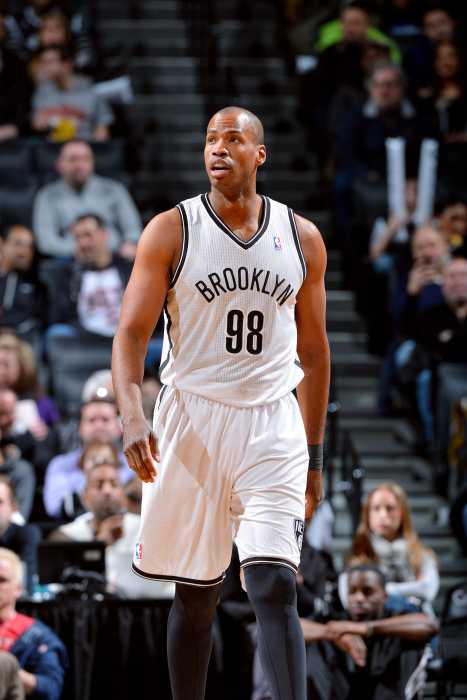
Collins knows he is no stranger to adversity, and naturally, he indicated that a key to his decade-plus-long career in professional basketball was remaining calm — no matter who or what he was up against. He is applying that same approach to his cancer fight.
“As an athlete you learn not to panic in moments like this,” he said. “These are the cards I’ve been dealt. To me it’s like, ‘Shut up and go play against Shaq.’ You want the challenge? This is the challenge. And there is no bigger challenge in basketball than going up against prime Shaquille O’Neal, and I’ve done that.”
Over the course of two interviews with Gay City News since last year, Collins has expressed gratitude for the way his coming out story was received by fans, his teammates, and family members. In his first game in Brooklyn since he came out, fans chanted his name repeatedly — a moment when he said he felt “pure love — love and support.”
Since retiring, Collins has maintained an active role in paving the way for the next generation of queer athletes. He has attended Pride events, worked with the NBA Cares program, and delivered speeches to younger athletes at clinics, among other areas of involvement. Last year, he spoke with Gay City News at the opening of the Stonewall National Monument in Manhattan, where then-President Joe Biden delivered remarks.
Unlike many other big names in the sports world, Collins has also used his platform to stand up for the rights of transgender youth. At one point, he told kids at a clinic about his late grandparents, who grew up in the Jim Crow South, and drew parallels between segregated bathrooms and anti-trans bathroom policies.
Earlier this year, when Collins was expressing his disdain for the Trump administration’s attacks on the LGBTQ community, the former NBA player made a point that would apply just as well to his own cancer battle as it does to the sports world:
“It’s mind-boggling, but this is also a reality, so I’m reminded of when I heard Billie Jean King speaking,” Collins said. “She said the fight for equality is constant. It’s not just one and done.”
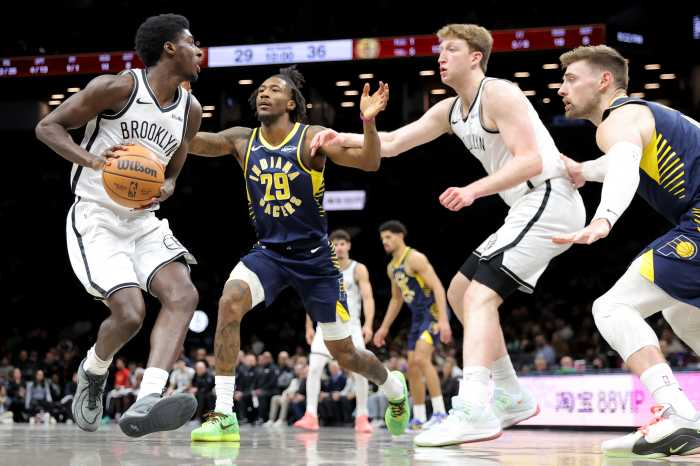
Collins averaged 3.6 points and 3.7 rebounds per game in 735 NBA games with the Nets, Timberwolves, Grizzlies, Hawks, Celtics, and Wizards.