About five years ago, LGBTQ culture maven Art Smith created a Facebook group called Gay Barchives as a way to preserve the histories of LGBTQ bars and clubs. The original idea was to capture logos, photos, and personal recollections of fun times at defunct, often legendary gay nightlife venues. Over the years, their mission expanded to include current bars not only from the U.S. but all over the world.
The group gradually accrued several thousand members until last March, when the inconceivable happened. Membership skyrocketed, hitting 50K members. Gay City News recently caught up with Art via video call to talk about the joys and pitfalls of documenting queer nightlife online. The interview has been condensed and edited.
First off, congratulations on the incredible milestone with Gay Barchives. You’ve already surpassed 64K members, not just 50K. How did this all begin?
It feels a little crazy, honestly. The seeds were planted at the end of 2019 when I interviewed my friend Vicki Vara, whose family owned a dozen gay bars in Atlanta over time, including Backstreet, Weekends, and Weekends Warehouse. I posted about our conversation on social media, and people started chiming in with their own memories of places like The Armory, Bulldogs, and The Cove. It really took on a life of its own. That made me think, “Let me see if I can track down some of these owners and managers.” Then COVID hit, and suddenly none of us had a social life — we weren’t going out to bars, we were online. In October 2020 I launched Gay Barchives and it began organically attracting people talking about bars from other cities as well.
How did the project evolve?
Early on, I was scouring the internet, typing things like “Cincinnati gay bar history logos” into Google and seeing what came up. I found resources from archives, universities, old ads, matchbooks, and so on, then started digitally reconstructing the logos I found. Originally, the project focused strictly on logos from bars that had been closed for more than ten years. I kept wondering, “Why didn’t people document this when it happened?” and then realized I wasn’t doing that either. So I opened it up and decided we’d celebrate all gay bars, past and present. As the project grew, we got some media attention, and within a year I’d reconstructed around a thousand gay bar logos. Now we’re well over 5,500 logos from around the world.
I love seeing the historical photos, matchbooks, flyers, and other ephemera people post. What kinds of posts are your personal favorites?
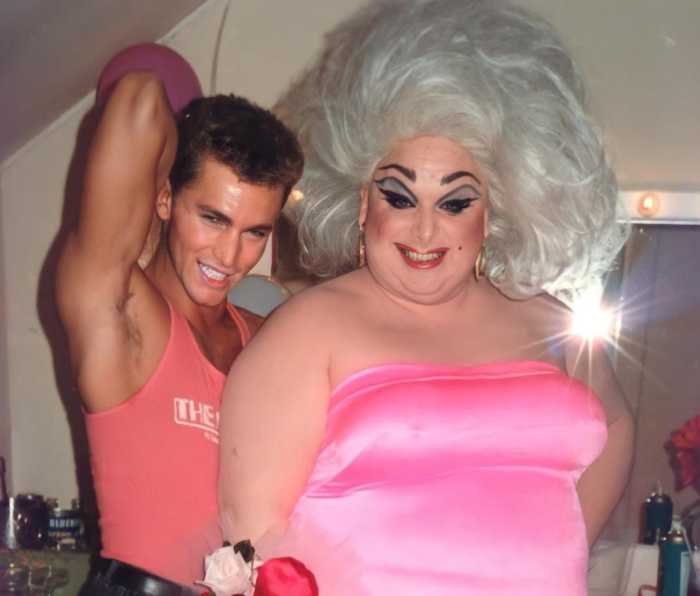
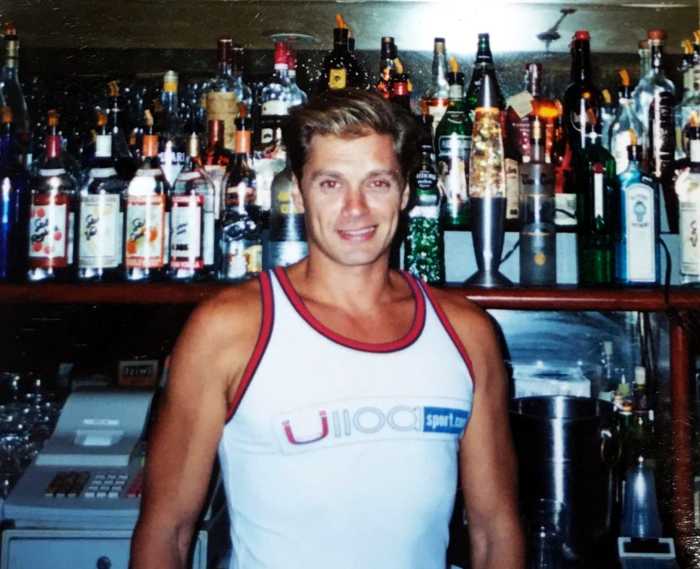
I have two main categories of favorites. One is photographs of people and bars from back in the day, because those weren’t well cataloged historically. It’s fascinating to see the fashion, the mix of people, the staff, and maybe recognize a bartender or owner you once knew. The other category is more personal: posts where people talk about what Gay Barchives means to them. One that stands out is from a member named Todd Kotmeier. He’s in the advanced stages of dementia and spends hours at home going through old magazines, clippings, and scrapbooks, posting about bars he owned or frequented. He called the group a lifeline, and that particularly touched my heart.
Why is it important to make the project accessible online, and what kind of reach are you seeing now?
A lot of archival projects end up as boxes of magazines on a shelf in a library that almost nobody sees. I wanted the opposite — by putting Gay Barchives online, anyone can access it, search for their favorite bar or their coming-out city, and find stories that relate directly to them. Facebook recently told me that last April we had over six and a half million interactions — likes, comments, posts, shares — in the group. That suggests we’re reaching a much broader audience than traditional archives.
In the last few months, the group’s growth has exploded. What do you think caused that spike?
Part of it is persistence — constantly posting about the same core topic. Some groups jump from HIV to drag queens to random topics; I’ve tried to keep Gay Barchives focused on bars, using consistent hashtags like #gaybarchives, #ilovegaybars, and #LGBTQhistory. Over time, that consistency makes us more relevant to search engines and AI tools. But around March, the trajectory really changed. We had posts that resonated widely, like one from Mark Neil Silber — founder of the Stonewall National Museum Archives and Library — who posted a photo of a bar in Gloucester, New Jersey. Within a few days it had over 100,000 views, and when that happens, friends of everyone who reacts start seeing it too. Since then, we’ve had at least a dozen posts reach over 100,000 views in six to eight weeks. We used to get about 10 or 20 new members per day, but now we’re averaging 100–200. We even had a day in April with about 1,400 new members. Facebook says fewer than 1% of groups ever reach our level of activity, and AI and search engines consistently label us as one of the most prominent online groups about gay bar history.
With that kind of volume, how do you keep the group manageable and on-topic?
I vet new members and weed out obvious spam, people pushing WhatsApp, or half-naked “add me as a friend” posts. I’ve brought on additional admins and also rely on members who diligently flag problematic content using Facebook’s reporting tools. That way I don’t have to personally review thousands of posts and comments every day, and I can block repeat offenders. I also try to limit generic promotion — if a bar posts “every Tuesday we have karaoke,” I remove it, because I can’t have tens of thousands of people posting nightly bar calendars. But I do allow posts about significant milestones, like Clearwater bar’s 50th anniversary or grand openings such as Belmont/Decibel in Chicago’s former Berlin space and the Chicago Eagle’s opening.
In some ways, the group feels like a virtual bar where people can drop in, share memories, and support each other. How do you see the project’s role in building community?
Many people tell me the group brings them back to their glory days — when they were in their twenties and thirties, bar-hopping and enjoying life — and it feels like looking at a family scrapbook or old home movies. That nostalgia creates a warm sense of connection. It also literally reconnects people. I posted a photo from Oil Can Harry’s in Austin of me and my friend Tommy, my bar-hopping buddy there. We hadn’t spoken in about 25 years, but within six hours someone sent him the photo, he friended me on Facebook, and now we’re back in touch. Another member posted a “trick card” from a New York bar, with the phone number crossed out but the first name visible, asking if anyone remembered trick cards. Within a day, the man who’d given him that card 35 years earlier commented, recognized it, and shared his phone number so they could reconnect.