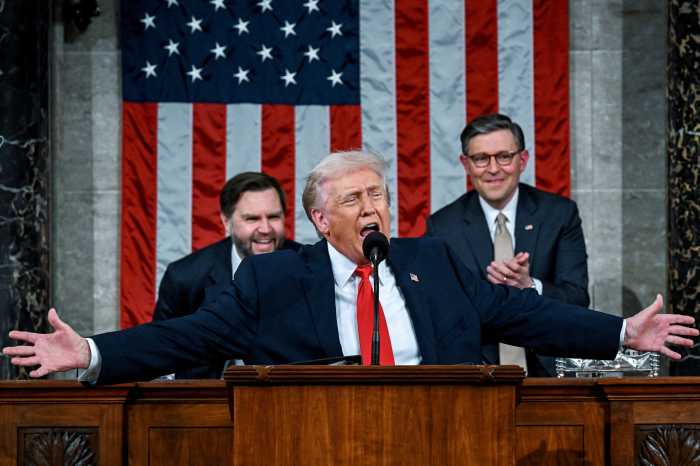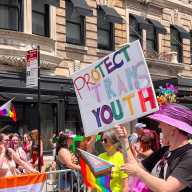
A survey conducted by the Movement Advancement Project outlines the ways in which transgender individuals and LGBTQ folks broadly have made changes to their lives — including moving to another state or taking steps to reduce visibility of their identity — since Donald Trump won the 2024 presidential election.
Notably, 9% of transgender individuals and 5% of LGBTQ folks said they actually moved to a different state at a time when many states have taken action to restrict the rights of transgender individuals to play sports and receive gender-affirming care, among other actions. Even those who have yet to move elsewhere have been considering it, with 43% trans folks and 25% of LGBTQ individuals weighing a move to another state.
Among those who have moved or considered moving, more than 90% of respondents answered yes when asked if quality of life, affordability/economic factors, a state’s legal protections and rights, and a state’s LGBTQ community and allies were among the factors influencing their decision.
The survey involved 1,055 LGBTQ adults, including 155 transgender people, between May 29 and June 15 of 2025. Respondents were contacted by US mail, email, telephone, and field interviews.
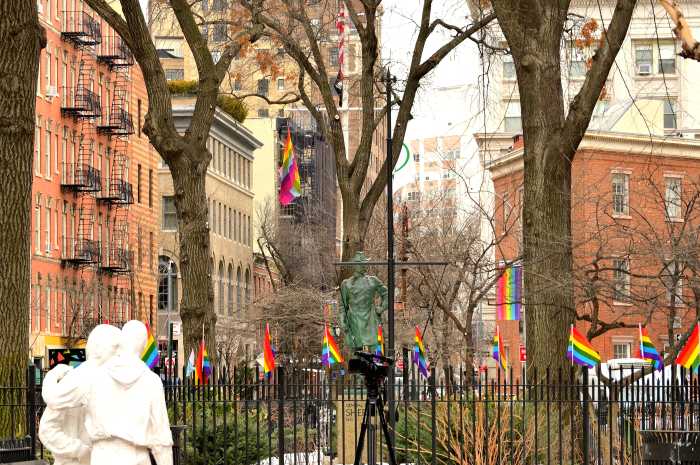
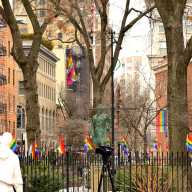
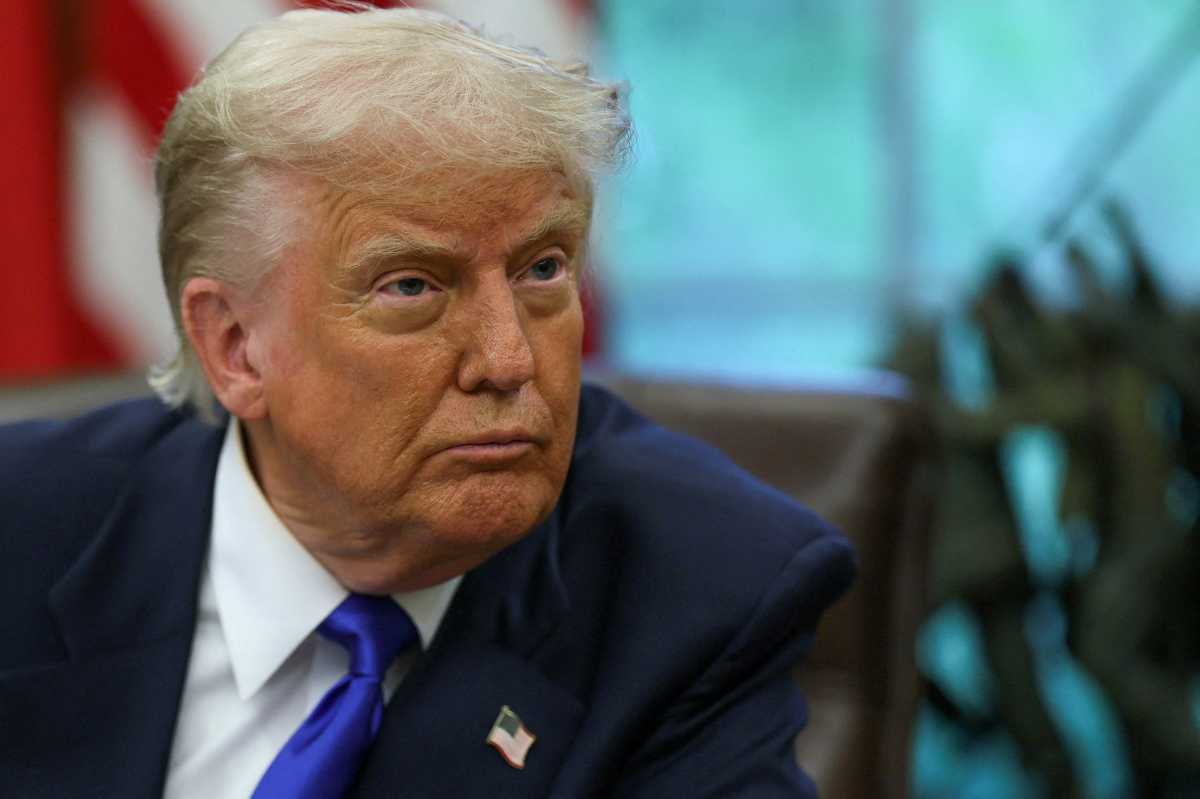
The respondents completed the survey in the months after Trump unleashed a campaign to erase the trans and queer community, including through executive orders to ban trans people from the military, target gender-affirming care at the federal level, and broadly erase transgender and bisexual history at the Stonewall National Monument. It comes as no surprise that 24% of transgender individuals and 8% of LGBTQ people said they have traveled to another state to receive care.
The Trump administration has also moved to restrict trans and non-binary individuals from being able to accurately identify themselves on passports, prompting more than a quarter of transgender individuals (27%) and 9% of LGBTQ people to say they have tried to update their name or gender marker on their identity documents. (In November, the Supreme Court issued a brief opinion allowing the Trump administration to keep misgendering trans people on passports.)
A majority (55%) of transgender individuals and 24% of LGBTQ community members said they have taken steps to be less visible in their community, though 31% of trans folks and 18% of LGBTQ people overall have taken the opposite approach, saying they have moved to become more visible in the community.
Some have even contemplated changing directions in their career, with 36% of trans people and 18% of LGBTQ respondents considering a different job or place of work.
The seemingly endless stream of attacks on LGBTQ individuals, particularly trans folks, has had a negative impact on the mental health of queer people. Among trans and non-binary folks, 84% say anti-LGBTQ policies and rhetoric have negatively impacted their mental health, compared to 61% of LGBTQ people overall. Plus, 86% of trans people and 60% of LGBTQ people overall are worried about the impact of Trump’s anti-LGBTQ actions on them or their families.
Among all respondents, Trump has an approval rating of 10%, and that shrinks to 6% when it comes to his handling of LGBTQ issues. One of the most notable contrasts in the survey is evident when looking at the difference in LGBTQ people’s satisfaction of the way their state government is handling LGBTQ issues. In the northeast, 51% of LGBTQ respondents approved of their state government’s handling of LGBTQ issues, compared to 47% in the west, 30% in the midwest, and 11% in the south.
“The survey highlights the clear and ongoing impacts of the current political environment on LGBTQ people, and especially transgender and nonbinary people, across the country,” the report concludes. “The majority of LGBTQ people — and, consistently, even higher rates of transgender and nonbinary people — reported significant and often negative impacts across the board, such as making major life decisions due to LGBTQ-related laws or politics, experiencing harassment or discrimination, harm to their mental health or overall well-being, and much more. As political attacks on LGBTQ people by federal, state, and local governments continue into the future, it is likely that these impacts will only accumulate.”