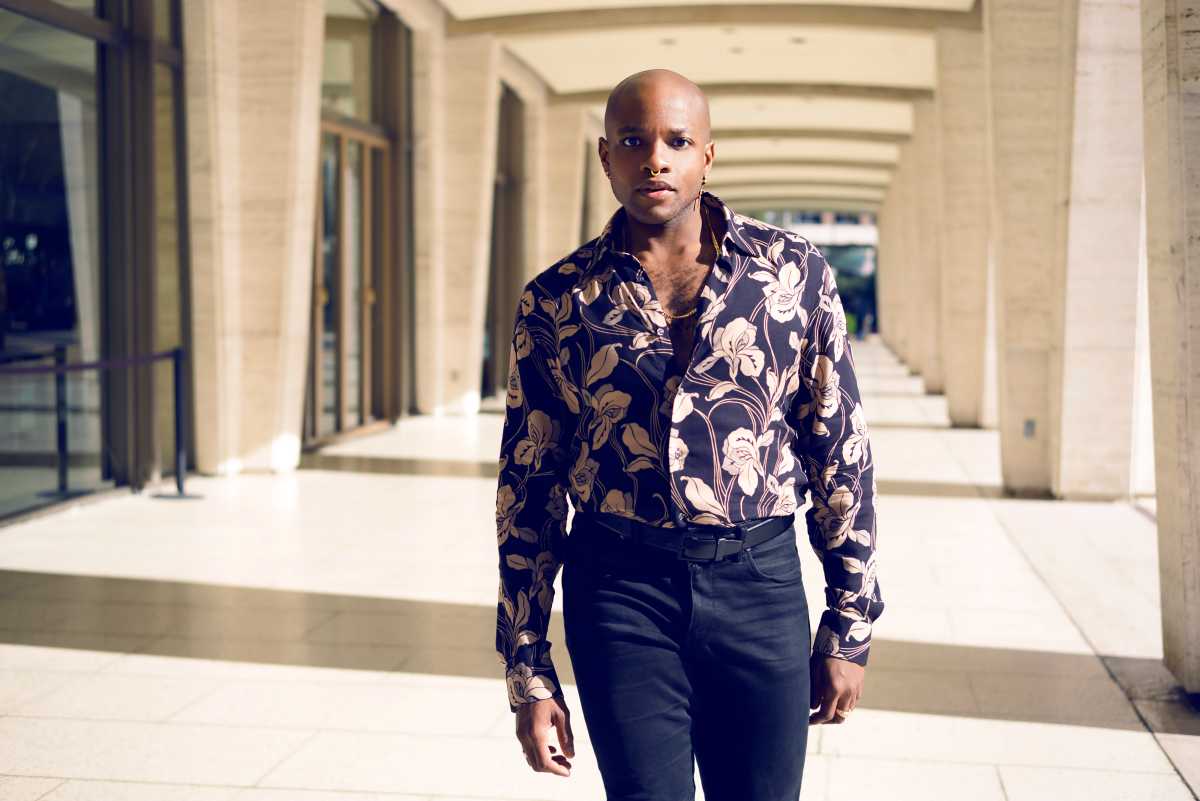
In resurgence of the Black Lives Matter movement in 2020, Grammy Award-winning tenor Freddie Ballentine and 2021-2023 BBC New Generation Artist Kunal Lahiry devised “Our People,” an operatic tribute to Black LGBTQIA+ experiences. The show has toured across Europe, and arrived in New York City at the 92nd Street Y to launch Black History Month.
“Our People” is, to start, refreshing for the concert halls that are bound by stiff traditions. Lahiry’s and Ballentine’s banter breaks the fourth wall, but tells a story that is unapologetically queer. Their catty back-and-forth offers a relief from some of the heavier pieces.
Most notable works include well-dramatized pieces from Margaret Bonds, a Black composer who until recently has remained obscure due to systemic racism. Others that capture are David Krakauer’s “The 80’s Miracle Diet,” which directly refers to the grueling impacts of AIDS on the human body and the series of medications that came from it. Another gripping number is P. Campos’ arrangement of “Strange Fruit,” a poem by Abel Meerpol that was originally sung by Billie Holiday and banned.
As Ballentine exits such a disturbing number, Lahiry’s piano solo provides a softer, perhaps more gentle processing of this piece through flowery tonal painting. Ballentine and Lahiry take a further break from the stodgy and Eurocentric standards of concert music with Nina Simone’s “Backlash Blues.” This arrangement, also by P. Campos, not only works well with Ballentine’s voice, but showcases the conviction of the concert to remain timely in our current political climate. It is frustrating that these works, especially by Black artists, are still relevant, but by reviving them and using them to disrupt a traditionally white space, it shows that we have been here before and we can be victorious again.
Overall, “Our People” is a bold disruption of the opera world. It celebrates the queer community, which the opera industry stands on but for the most part continues to reject. It reclaims a history that is erased because of its intersection between Black and queer. It even rearranges many expectations about which songs are worthy of a classical concert. It’s an accessible storytelling that challenges today’s American fascism through song, and reflects the responsibility of all artists to be a moral compass of society. To witness this production is to experience a spectrum of color.