
The New York City Department of Health and Mental Hygiene’s annual HIV surveillance report — issued on Dec. 1 in conjunction with World AIDS Day — showed a 17% increase in new HIV infections and a 5% rise in new diagnoses across the five boroughs in 2024.
The latest report highlights the ongoing challenges in the broader fight to end the epidemic in New York City, where cases have been either stable or on the upswing since 2020. The report comes one year after new diagnoses went up by 6.9% in last year’s report, which covered 2023.
In total, there were an estimated 1,431 new HIV infections in New York City in 2024, with a disproportionate impact on men who have sex with men, Black people, Latino people, and individuals living in areas with high poverty, according to the report. Meanwhile, there were 1,791 new HIV diagnoses — not to be confused with new infections. Among those individuals, 44% were Black and 41% were Latino, 75% were men, 20% were women, 4% were transgender women, and less than 1% were trans men. Notably, men who have sex with men made up 65% of people newly diagnosed with HIV whose transmission data were available.
Two-thirds of people newly diagnosed with HIV in the city last year were between the ages of 20 and 39, while 16% were age 50 or older. Last year, the city estimated that there were 85,800 people with diagnosed HIV across the city and about 5,500 people with undiagnosed HIV.
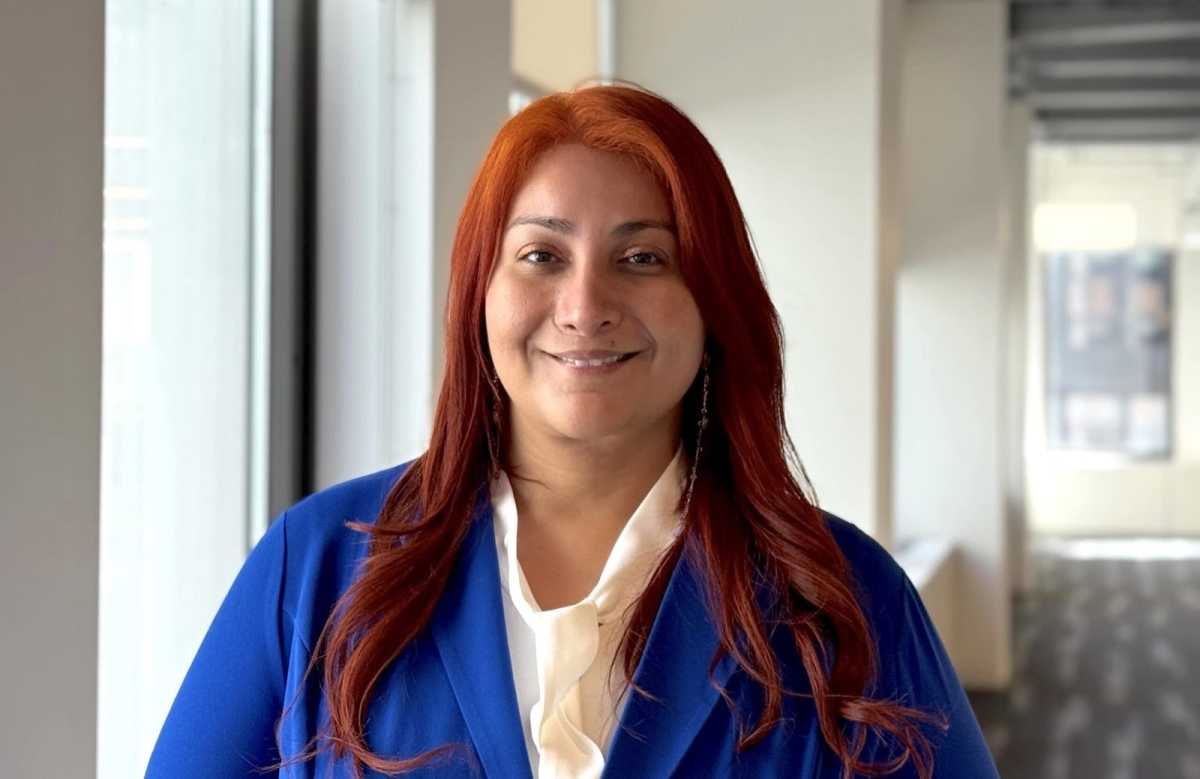
“In the last three decades, we’ve made immense progress toward ending the HIV epidemic in New York City, with new diagnoses down more than 70 percent since 2001,” Acting Health Commissioner Dr. Michelle Morse said in a written statement. “Yet this progress has stalled as new diagnoses have increased or remained stable for the fourth year in a row while life-saving federal funding for ending the epidemic is in jeopardy. Our health outcomes in New York City remain inequitable across race and ethnicity, neighborhood, and income, and HIV is no exception. That’s why the NYC Health Department will keep working to ensure all New Yorkers receive the HIV care and prevention efforts they deserve.”
While the city saw increases in new infections and diagnoses, the report highlighted slightly improved numbers among those receiving HIV care. In 2024, 87% of individuals with HIV were receiving care, and 90% of those receiving care were virally suppressed.
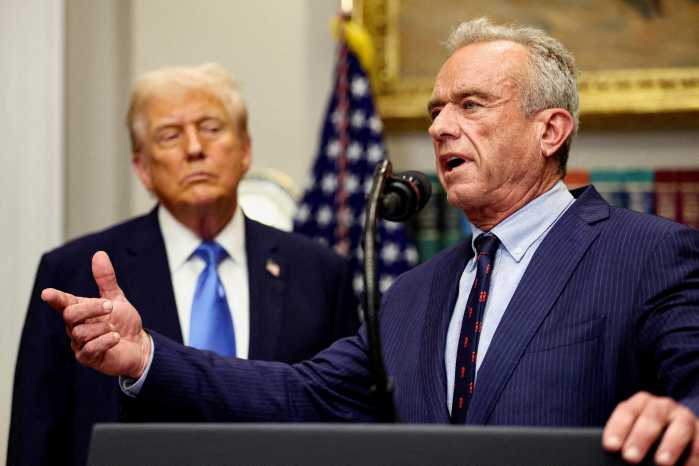
The latest report coincides with concern over efforts by both the Trump administration and Republicans in Congress to slash HIV/AIDS funding at the federal level. The GOP-led House Appropriations Committee earlier this year issued a FY26 funding bill aiming to cut domestic HIV/AIDS treatment and prevention programs by nearly $2 billion. The Trump administration proposed to cut more than $1.5 billion.
According to the New York Times, the Trump administration went as far as directing employees not to recognize World AIDS Day this year. The State Department warned employees “to refrain from messaging on any commemorative days, including World AIDS Day.”