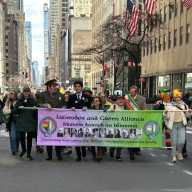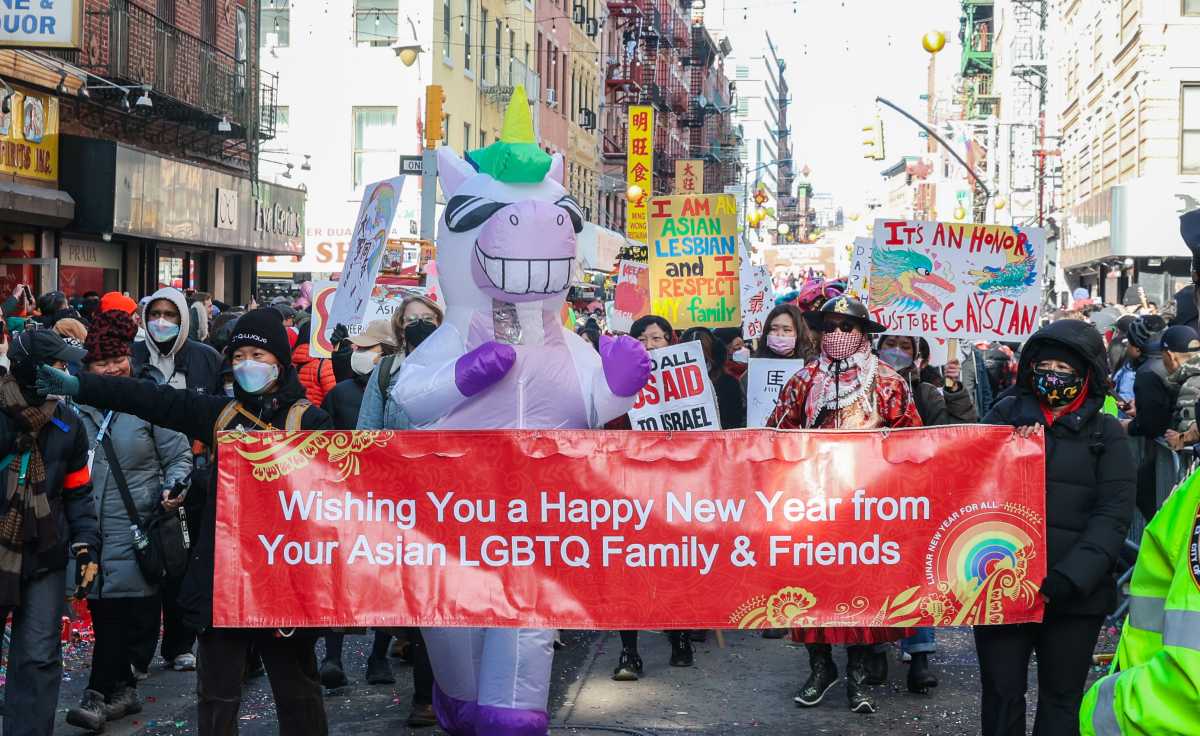
Every Lunar New Year, thousands flock to Manhattan’s Chinatown to witness the annual parade that celebrates the history of the holiday and mark the city’s unique multiculturalism. City representatives march alongside the lions, who take cabbages and oranges for good luck and fortune. Ticker tape explodes into the sky while aunties dance on floats in traditional clothing. Western Top 40s mesh with Mandopop and -techno.
“Lunar New Year is one of the biggest cultural holidays for some Asians, and an important time for families and communities to come together,” said Karen Lee, a community organizer in New York City.
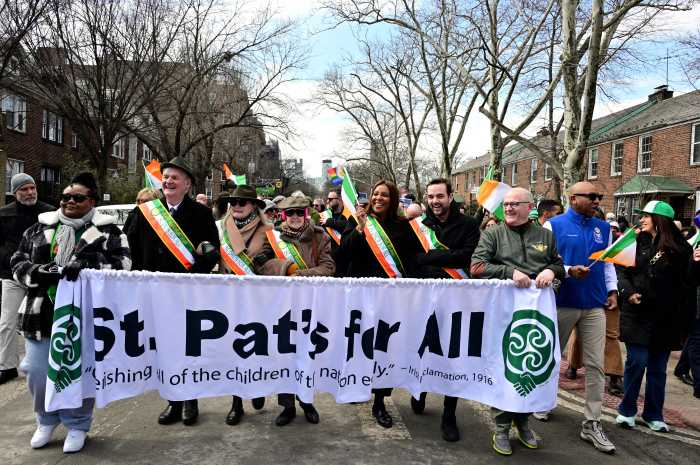
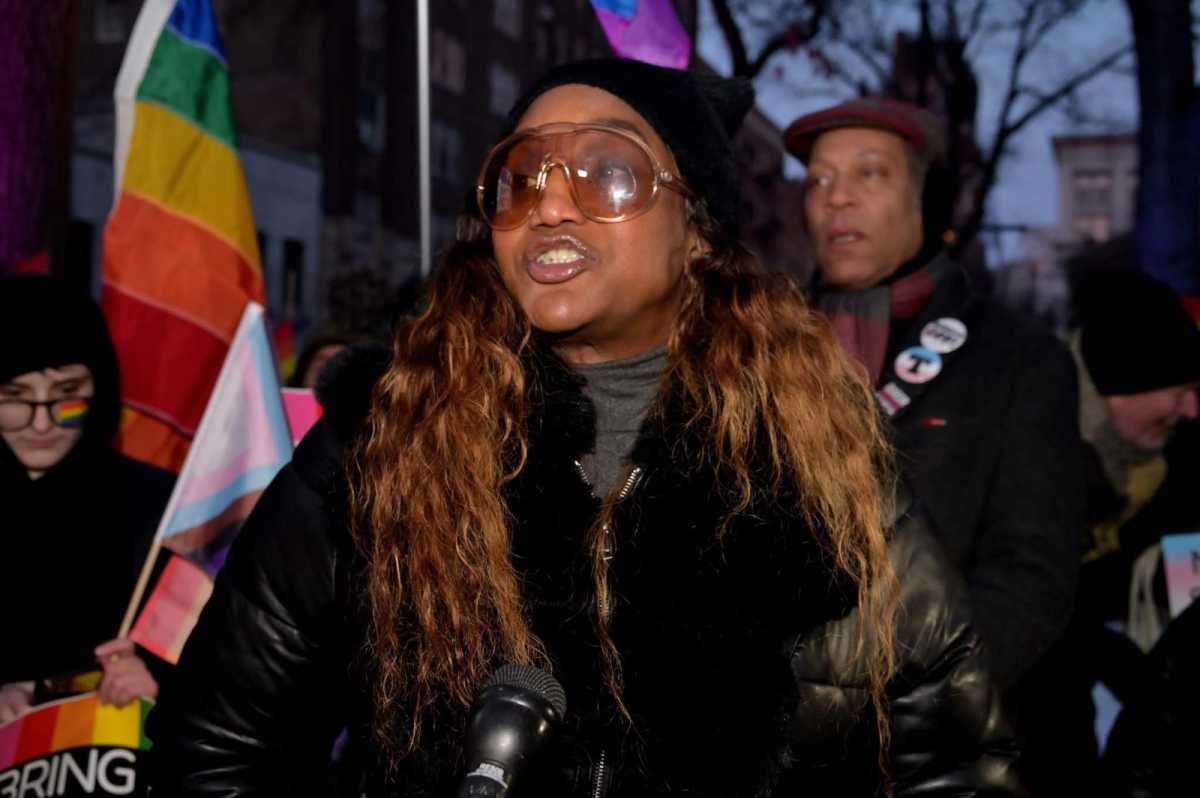
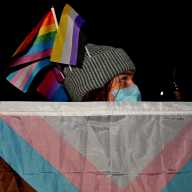
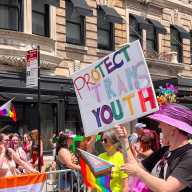
Unfortunately, many queer and trans Asian folks are separated by their families due to homophobia and transphobia. In many cultures that celebrate the holiday, this is due to colonial influence. To provide space for the community, Lee and others in 2010 entered the parade with the Lunar New Year For All (LNY4A) contingent. In a nod to other organizations like QWave, GAPIMNY, which provides space for LGBTQ Asian New Yorkers, and St. Pat’s For All, an LGBTQ celebration to commemorate St. Patrick’s Day, LNY4A uplifts Asian LGBTQ individuals and others who wish to participate in the parade. Individuals carry signs like “I Am An Asian Queer And I Respect My Family” and “We’re Asians, Queer & Proud.”
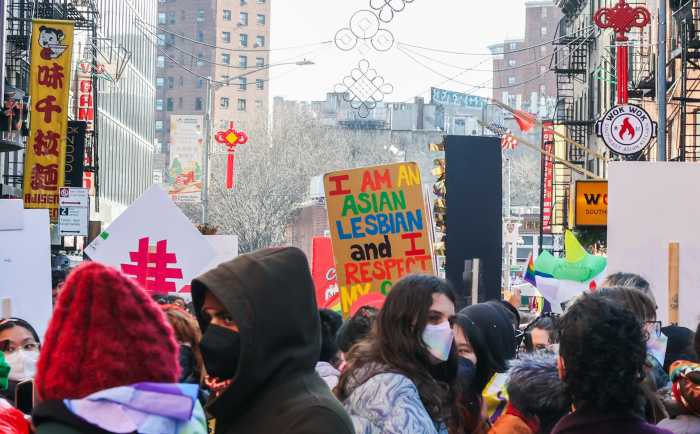
However, Lunar New Year For All’s place in the Chinatown parade has been precarious. According to organizers, the application to march now stipulates that floats can be political so long as they are non-controversial. It’s no secret that heteronormative society has made LGBTQ existence controversial (trans girls in sports, trans access to bathrooms, Matthew Shepard, ICE-related deportations, solitary confinements, and deaths of LGBTQ people), but The Lunar New Year Parade has been a consistent opportunity for political action. In 2025, participants used the high profile space to call for an end to the genocide in Palestine, and many individuals, including a Korean trans elder and Jewish person wearing a watermelon yarmulke, were harassed this year. For many years, others have marched to demand the cancellation of the 40-story mega jail, part of the city’s borough-based jail solution to close Rikers. The initiative has already displaced several Chinatown locals and become a source of environmental racism.
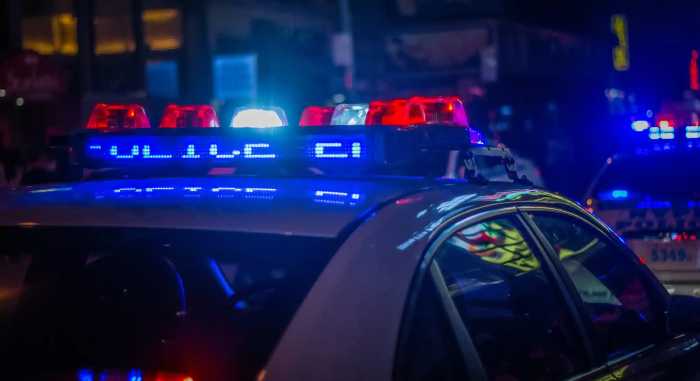
Safety concerns for the LGBTQ community increased in 2025 when police attempted to remove LNY4A from the parade. While LNY4A leadership de-escalated the situation, many were rattled and worries grew that LNY4A might not be safe or welcome back in 2026. Thanks to an anonymous community member, LNY4A received the written confirmation that the LGBTQ community belongs in the Lunar New Year celebrations.
“We are constantly wondering if our very existence can be considered political and controversial,” Lee said. “It is worth the fight so that we can provide the safe space and community that our members need.”
LNY4A’s presence continues to claim such intersectionality, and leaders want the rest of the community to understand and celebrate that too.
“We hope everyone can see that we are very much a part of this Chinatown and Asian community,” Lee said. “That intersectional identities are a very real and true identity, and that we are no different from them.”
Note: The author is an annual participant in the Lunar New Year For All contingent.