On April 2, 1986, the New York City gay rights bill was signed into law after a 15-year battle with the New York City Council. While New York was the first jurisdiction anywhere in the world to take up adding “sexual orientation” to its human rights law in 1971, it was one of the last big cities to pass such legislation. I wrote about this campaign and the many who contributed to it for Gay City News for the 25th anniversary in 2011.
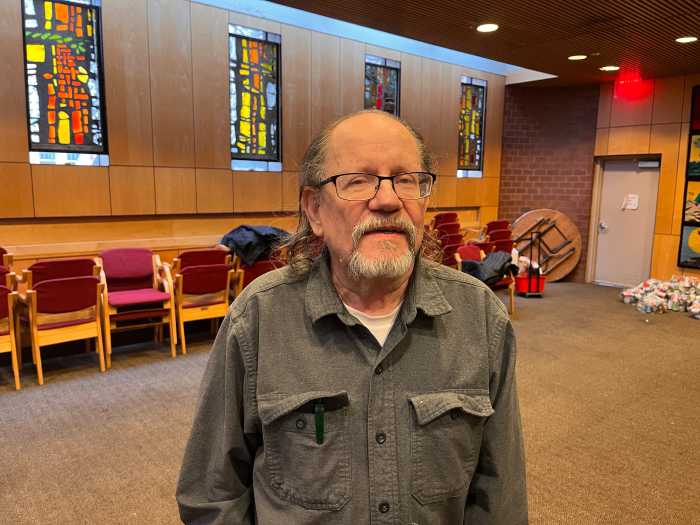
Back in 1986, when I was one of six spokespersons for the 50-group Coalition for Lesbian and Gay Rights that spearheaded the campaign from 1977 in a movement shocked into action by the repeal of a gay rights ordinance in Dade Co. led by Anita Bryant, I said after the victory, “We all felt really good about the gay rights bill becoming law, coming as it did in the midst of this dispiriting AIDS crisis that has revealed so much societal and governmental contempt for those dying of AIDS. We felt good about it because we were all a part of it.” Indeed, thousands were active in the campaign by the time it passed.
“Holding on to those protections,” I said, “will take nothing short of eternal vigilance. Using those protections to come out will take guts.”
In those days, we were up against indifference to our dying from City Hall to Albany to Ronald Reagan’s White House. Passage of the bill on March 20, 1986 sparked a mass rally in Sheridan Square in the Village as thousands savored a rare victory amidst the devastation of AIDS.
The backlash then was swift. Within months, the Council passed a bill to make coverage by the sexual orientation category less equal in housing. Only through our grassroots lobbying — and stirring testimony from Civil Rights leader Bayard Rustin — was Mayor Ed Koch moved to veto the amendment to the bill.
In June, the US Supreme Court upheld the constitutionality of anti-sodomy laws. While New York’s law had been found unconstitutional under our state constitution in 1980, Georgia’s law was upheld and states could still ban gay sex. That decision brought literally 10,000 of us into the streets for protests that night and on July 4, weaving our way through the Lower Manhattan crowds celebrating the 100th anniversary of the Statue of Liberty. (It took another 17 years for the court to reverse itself on sodomy.)
Much progress was made in the ensuing decades. New York City added the category of gender identity and expression to our law in 2002 to protect transgender and gender non-conforming people — the same year New York State added sexual orientation to its human rights law. (New York State took until 2019 to pass GENDA, protecting transgender people.)
Recognition of same-sex relationships grew. NYC started some recognition of domestic partners under Koch, Mayor Dinkins opened a registry in January 1993, and finally settled a suit giving domestic partner benefits to all City employees that November.
Marriage equality began in the US in Massachusetts by state court order in 2004. New York State enacted it legislatively in 2011. And Supreme Court decisions in 2013 (Windsor) and 2015 (Obergefell) opened marriage to same-sex couples nationwide after years of most states banning it.
The US Congress — while it passed the Respect for Marriage Act to protect same-sex and interracial marriages to an extent in 2022 — has never passed the 1973 federal bill covering sexual orientation nor gender identity, which was added to the bill later. The Supreme Court did, however, ban employment discrimination on the basis of sexual orientation and gender identity in Justice Gorsuch’s 5-4 Bostock decision in 2020.
But now we are living in a time of intense backlash against LGBTQ rights — with Republicans in the states, in Congress, and in the White House obsessed with denying not just the rights but the existence of transgender people. And it is not just LGBTQ rights.
The racist and sexist Trump administration is rolling back protections for almost all protected classes — banning anything in government or in the private sector that smacks of an embrace of diversity and inclusion. Trump’s grotesque “Justice” Department’s priority is now rooting out anti-white discrimination and what it sees as bias against Christian fundamentalists.
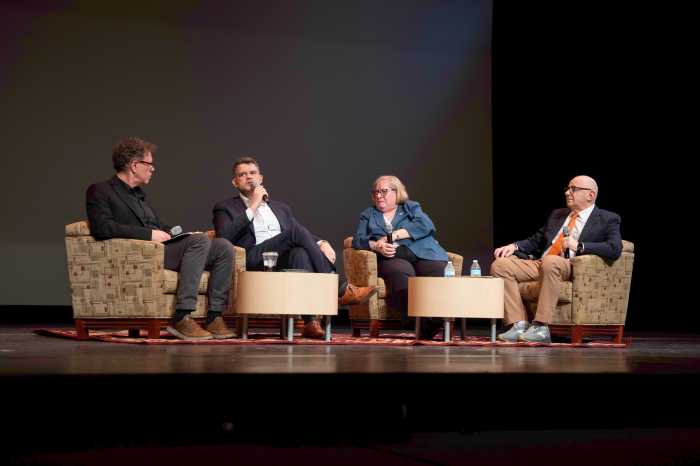
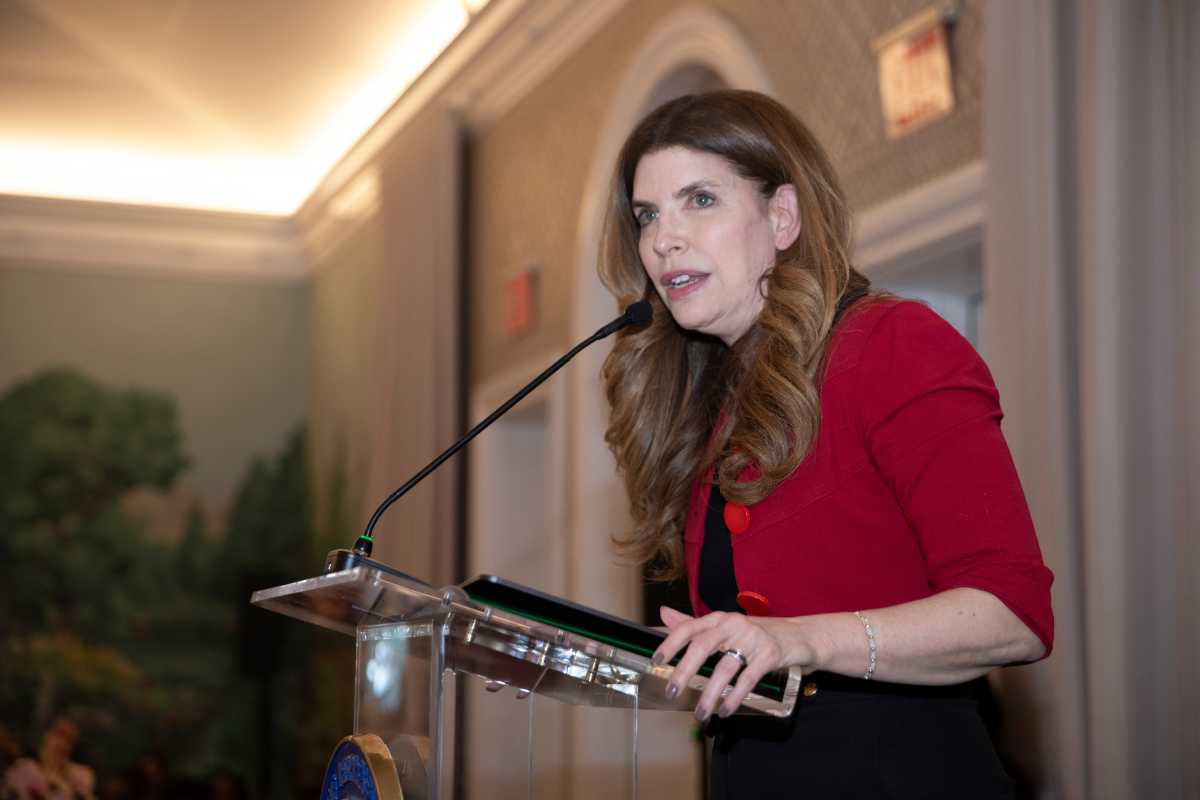
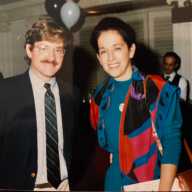
Ruth Messinger, who as a City Council Member in 1986 led the fight there to pass the gay rights bill, was honored at a benefit for the Stonewall Community Development Corporation this March 20, marking the 40th anniversary of the day her colleagues engineered the roll call so that she could cast the vote that gave it a majority. (The final tally of 21-14).
In receiving the award, Messinger, who has never stopped working for social justice — including a long stint at the American Jewish World Service — recalled those heady days, but concluded her remarks with this: “We are living in really, really, really hard times. And whether your issue is seeing the rollback on sexual orientation issues, or the rollback on race issues, or the rollback on immigration issues, take a deep breath.
“We are also seeing a push in this country toward fascism — to authoritarian rule that will push back and destroy the strengths of our democracy. So I’m just going to ask everybody to have that additional sensibility and recognize a great opportunity to work on that issue will come in the next month because the President of the United States is now affirmatively pushing legislation that will deny people’s right to vote.
“And on a lot of issues — from LGBTQI issues to immigrant issues — we can’t always get our friends, our colleagues, or our family members to get the importance of the human rights issue, but in this country most people actually cherish the right to vote.”
She said we have to be talking to people “who may not have realized the danger we now live in. We have a hard job to do, but you always send the people who are already doing the work. We’re all doing the work. There’s lots lots more work to do. We’re unlikely to complete the task, but as my tradition says, we can’t refuse to participate so let’s get out there and work for human rights.”
So 40 years after a basic human rights victory in New York was a ray of light in a terrible time, we need an even more basic victory in an arguably worse time for the nation — a victory over fascism, which we grew up believing could not happen here. The millions of people who turned out for the NO KINGS, NO ICE, NO WAR marches on March 29 here and around the world have joined that battle. Our determination to win it has never been more vital.