
Over the past decade, representation of people with disabilities on New York stages has been spotty at best. “How to Dance in Ohio,” the uplifting Broadway tuner about high schoolers with autism portrayed by neurodivergent actors, was hailed as a milestone in 2023.
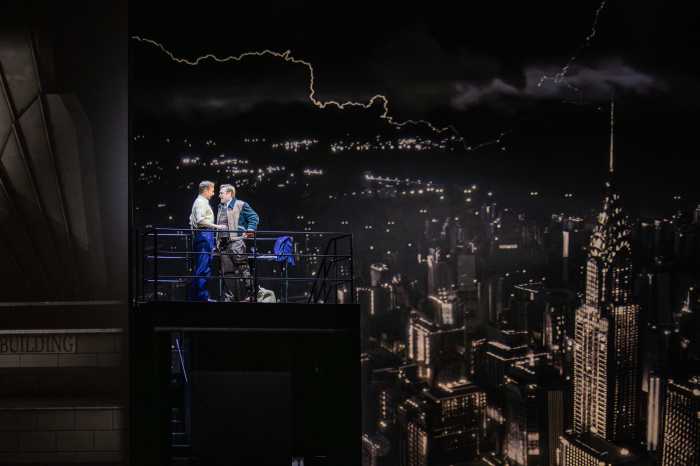
Other standouts included Deaf West’s sublime revival of “Spring Awakening” that starred Deaf actors, and Samuel D. Hunter’s melancholy “The Healing,” courtesy of Theater Breaking Through Barriers, that featured a cast with various disabilities.
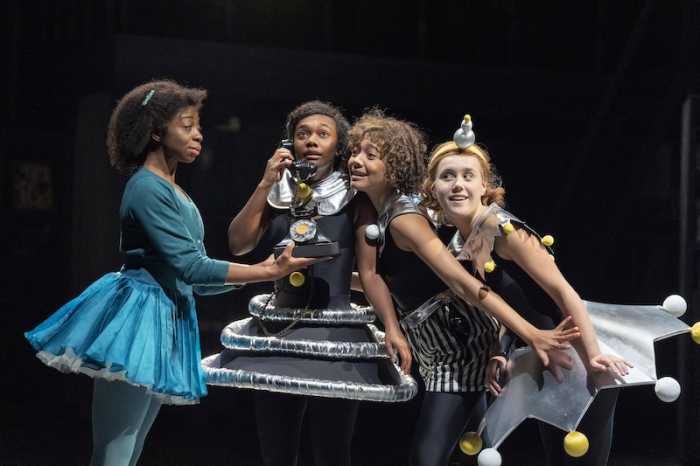
And now there’s a newcomer titled “Bum Bum: Or, This Farce Has Autism,” presented by EPIC Players, a neuro-inclusive theater troupe dedicated to representing neurodiverse performers onstage. What makes this piece so extraordinary is that it’s more than a showcase for neurodiverse talent. It’s written by an award-winning Autistic playwright Dave Osmundsen and promises to be a wry, scathing meta-satire that gleefully dismantles the tropes that have long defined — and hindered — Disabled artists.
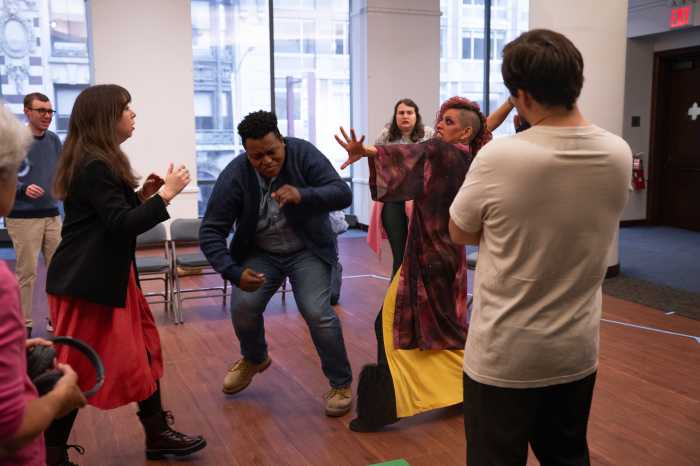
The plot of “Bum Bum” centers on three Autistic performers at a live telethon benefiting an organization called “Singing and Hearing Autistic Greatness” (SHAG for short). When they are pressed to sanitize their acts to placate mainstream viewers, they become fed up with the censorship and, naturally, havoc ensues. Osmundsen’s ambitious satire is slated to run at the HERE Arts Center in Lower Manhattan from Dec. 4 through 14.
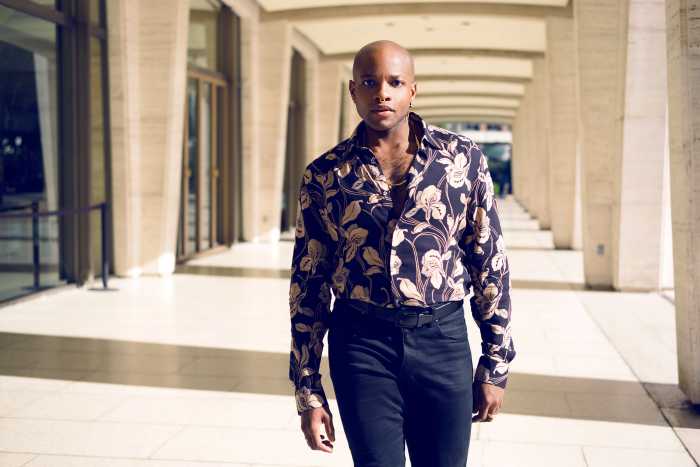
Gay City News recently spoke by phone to the 33-year-old, queer autistic playwright about the bold themes in “Bum Bum” and the challenges of representation for neurodivergent theater artists. The interview has been condensed and edited for clarity.
Congratulations on having your first play produced in New York City. How would you describe the piece?
It is a farce about the right to authentic autistic expression, appropriateness be damned.
What does Bum Bum mean in the context of the play’s title?
For my 12th birthday, my dad took me to see the revival of “Gypsy” with Bernadette Peters. How he didn’t know I was gay then is beyond me. The second act involves burlesque. And I remember we had an electronic piano that could create different sounds, and one was percussion based. I would play what I thought sounded like burlesque vamping, “bum, bum.” When I was writing the play that included a wannabe burlesque performer, the term “bum bum” stuck in my head, and it became a catchall phrase for simply being yourself. Basically, I just made it up for the play.
You have been described as a “queer autistic.” Does the play have any queer characters or themes?
Not necessarily, but it’s very queer in its sensibility. The whole idea of queerness is that you’re subverting patriarchal or heteronormative norms. And in this play, it’s very much about being packaged as this inspirational figure who overcomes their disability and then being like, “No, we’re not going to do that. [Instead,] we want to be raunchy and authentic and edgy and inappropriate.” So basically, not being inspirational as much as, “Yeah, we are human.”
How much of the play is drawn from your own life?
It’s not drawn specifically from my life, but it is inspired by different times where I’ve either been diminished or censored. I remember once in high school I wrote an article for the school newspaper about homosexuality. I grew up in a pretty conservative town in New Jersey, and I was like, “Oh, these people could really use some education on this.” The spineless principal didn’t want backlash from the parents, so he killed my article and ran a story about the cheerleading squad instead. The feeling that everyone was either trying to make me in their own image or water me down has trailed me my entire life. I think it is very common because for years, a lot of therapy for autistic people was trying to get them to suppress their behaviors to fit more into society. And it’s only recently that the emphasis has shifted toward human-centered approaches.
What was it like coming out in a small, conservative town?
Ever since elementary school, people would say that I was gay. I definitely had feelings toward other guys, but I didn’t know that it was gay until the first time I heard someone talking about it as a negative. I was like, “Well oh shit, that’s me.” I didn’t have many trusted friends, and I remember I told one person and the next day everybody knew. When I came out to my sister, she told our mom and our aunt without my permission. So it felt like I did not come out on my own terms.
How does society currently package neurodivergence for mass consumption?
Probably the most legendary example is “Rain Man,” which was a bit of a double-edged sword because on one hand, autism achieved such a huge awareness through that film, but it also perpetuated the savant trope because the [protagonist] is this genius who, if only he were normal, would probably have a great career. So it ends on a very downbeat note.
What are some examples of typical stereotypes of people who are on the autism spectrum that you are skewering?
There’s one character in “Bum Bum” who is nonspeaking and communicates primarily through an AAC device and a ventriloquist dummy. The trope is that such people are innocent and kindhearted because they always have to listen rather than speak. But I’m like, “No, let’s have them be naughty.” Another cliché is that Autistic people are supposed to be grateful for whatever opportunities they receive, when they basically have to sacrifice everything that makes them authentic in order to reach a mainstream audience.
Can you talk about the challenges of representation for queer and neurodivergent artists in the entertainment industry?
It’s very nascent right now. There was the TV show “Everything’s Gonna Be Okay,” which has a queer autistic protagonist. But I think a lot of autistic representation is very heteronormative. I wrote a play “Light Switch,” [about a young man who was autistic and gay,] in part out of a response to not seeing such stories in media because queerness is often conveyed in code. And what about an autistic person who may not be able to decipher the code?
What do you want audiences to take away from the play?
When people encounter my work and call it “important,” or say they learned so much from it, I think, “But were you entertained? Were you challenged? Were you engaged? Did you find it funny?” The word “important” in the theater feels like shorthand for, “It’s important to see, but not necessarily enjoyable.” I think “Bum Bum” is certainly entertaining, but that’s just me. I’m a bit biased.
“Bum Bum: Or, This Farce Has Autism” | EPIC Players | HERE Arts Center | 145 Sixth Avenue | $10 – $65 | 90 minutes, no intermission