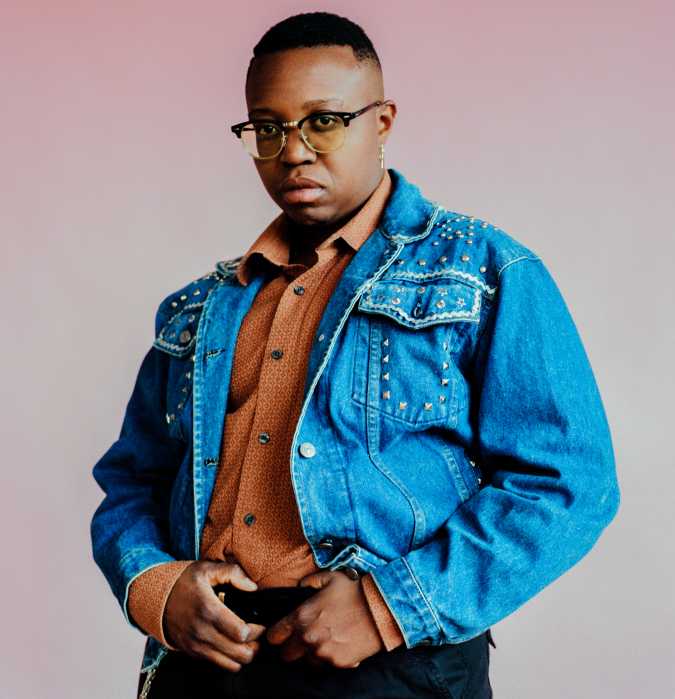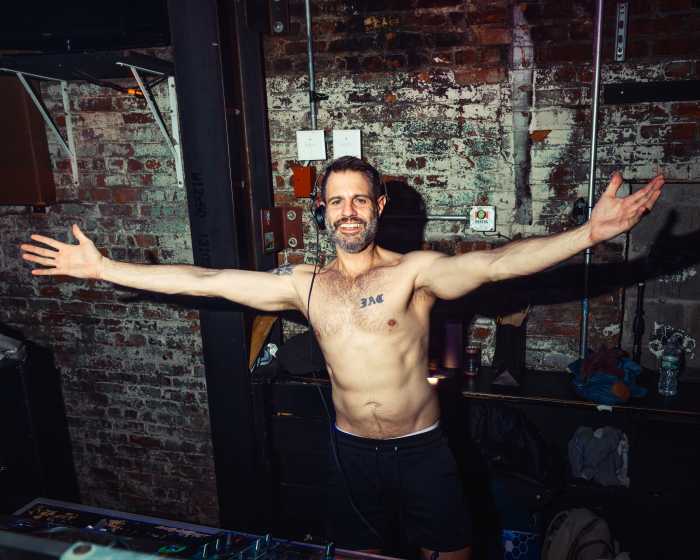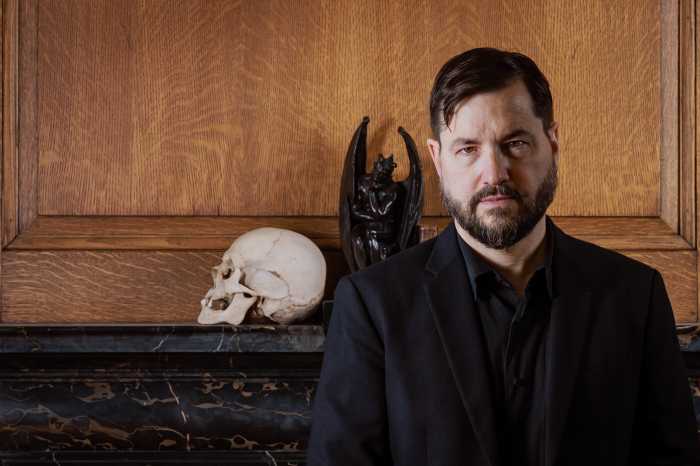
This month, Gay City News reviews new albums from bi indie pop singer Arlo Parks and queer musician Karl Kuehn’s project Gay Meat.
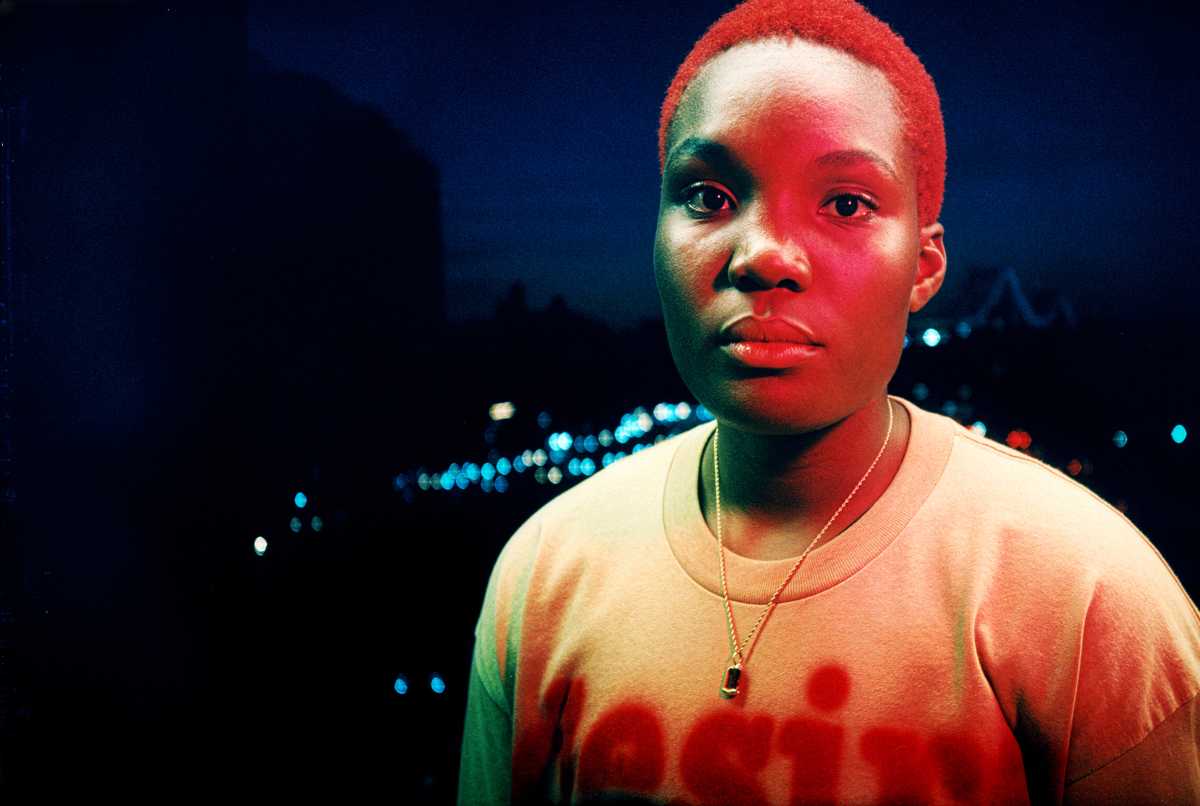
Arlo Parks | “Ambiguous Desire” | Transgressive
Up until now, Arlo Parks’ music has been unfailingly tasteful. Songs like “Black Dog” and “Weightless“ found a pleasantly melancholy path at the intersection of folk, pop, and R&B. She fell into a subgenre critic Dave Moore has named “windowpane,” where indie rock crosses over into adult contemporary. On her first two albums, this turned out to be a limitation. More promisingly, her third album, “Ambiguous Desire,” develops a new direction: an introspective version of dance music. Rather than opening up over a guitar, she does so singing to breakbeats. “Ambiguous Desire” resembles vintage trip-hop, arriving in the vicinity of Everything But The Girl’s 1996 drum’n’bass-cum-pop album “Walking Wounded.”
Going clubbing regularly led to Parks’ current sound. “Jetta” portrays her on a night out with friends. “Get Go” relates a story about meeting Maria, a friend whose boyfriend has cheated on her, and dancing together to chase pain away. “2SIDED” ponders a case of unreciprocated affection. Parks speaks to her crush: “you know how I feel, tell me it’s two-sided.” “Luck of Life” is soothing yet vibrant, a lullaby cooed over assertive drums.
Parks’ tone remains ruminative. She sings slowly, rather than trying to match the drums, never pushing her voice over them. “Nightswimming” places piano chords over a much quicker beat. (Although it shares its title with an R.E.M. song, it’s not a cover.) “Heaven” is spare, with little except snatches of piano and bass to fill out the vocals and drums. A quick rush of keyboards sounds like it’s heard from the street outside a club. The beats still support her voice, rather than leading the way. R&B singer Sampha delivers the chorus on “Senses,” with his falsetto contrasting against hers.
When Parks devotes “Beams” to the aftermath of betrayal (“I know it’s not a way to treat people you love,” she sings), the song’s marked by the careful restraint of her voice. She avoids ASMR whispers, but she’s able to convey great feeling while barely raising her voice. Her experimentation with dance beats has boiled the blandness out of her music.
Gay Meat | “Blue Water” | Skeletal Lightning | April 24th
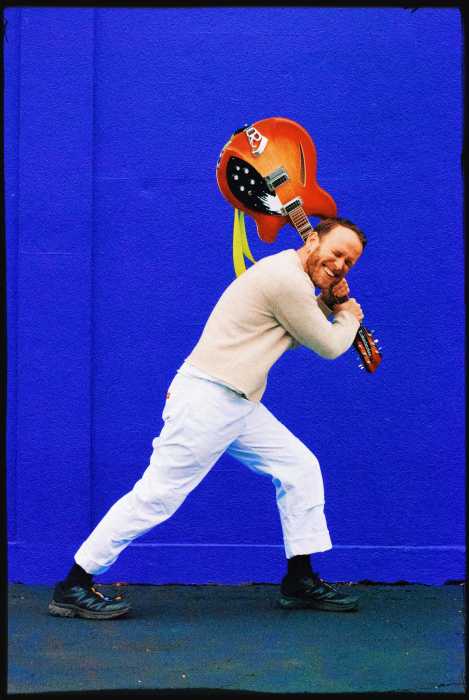
The former singer of emo trio Museum Mouth and a short-term drummer for the popular pop punk group Say Anything, Karl Kuehn has been recording under the name Gay Meat for six years. With almost 20 years as a working musician, this debut album has been in the works for a long while. When his mother suffered brain damage following six grand mal seizures, Kuehn became her caretaker, assisting her till her death three years later. (“Holly Drive” sports a sample of her saying she’s going to be 60.) Since all but one song on “Blue Water” was written while she was still alive, he’s had a great deal of time to muse over those final years together.
Over chiming guitar, Gay Meat’s first words on the album are a spoken “I love you.” He goes on to sing “I’ve been thinking about your life…were you born cursed, or was it pure judgment?” The arrangement remains minimal for a while, till backing vocals and drums fill it out. “My Mother’s Son” sounds cheerful, complete with a “bah-bah-bah” chorus, if you don’t pay attention. On closer examination, Gay Meat sings through anguish, contemplating severe depression while dreaming about a more fulfilling life. It’s not the only song in which grief constricts his opinions for engaging romantically with other men. Following his mother’s passing, Kuehn moved from North Carolina to Chicago, and frustration at being stuck in a small town forms some of the subtext for “Blue Water.” He declares, “I miss having fun.”
Throughout the album, Kuehn refrains from distorted guitar, playing clean, trebly arpeggios. “More Good Angels” captures that moment in the 2000s when indie rockers dabbled in synth-pop. Kuehn sings in a breathy voice, performing alongside an overdubbed backing (including female singers). Although he isn’t the only musician who performs on “Blue Water,” the album feels as though It were recorded at home, in the midst of the struggles he sings about. For much of it, a drum machine, enhanced by heavy reverb, enhances a feeling of claustrophobia. Gentle timbres and catchy melodies cover up much darker lyrics.
The voice of Kuehn’s mother returns on the title track, which he recorded after she had regained her voice. One then realizes that the album’s name came from this song. The final sound we hear is her laughter, amplified and echoed. “Blue Water” speaks to the frustration of living with a dying parent and coping with the aftermath of their absence. As tenderly as it can, It speaks to the depth of pain that comes with this kind of love.