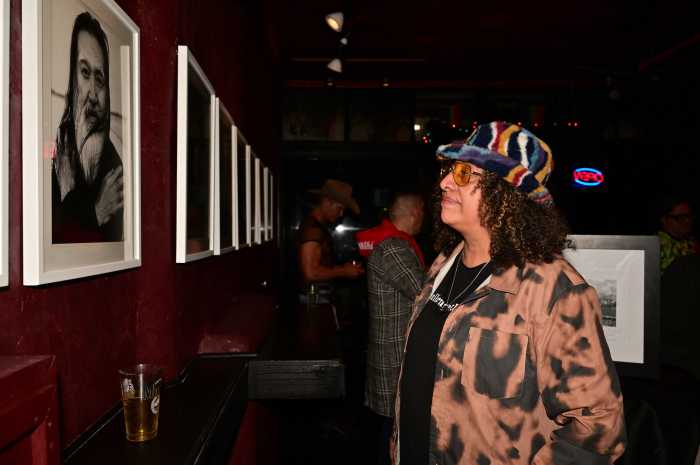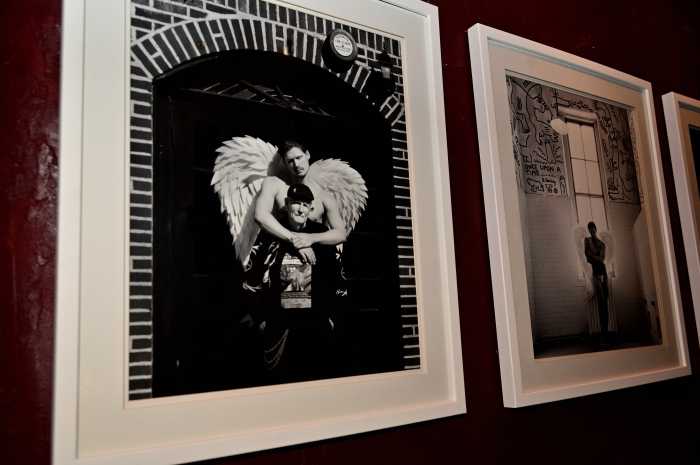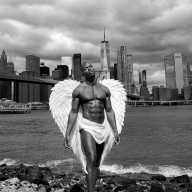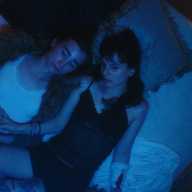
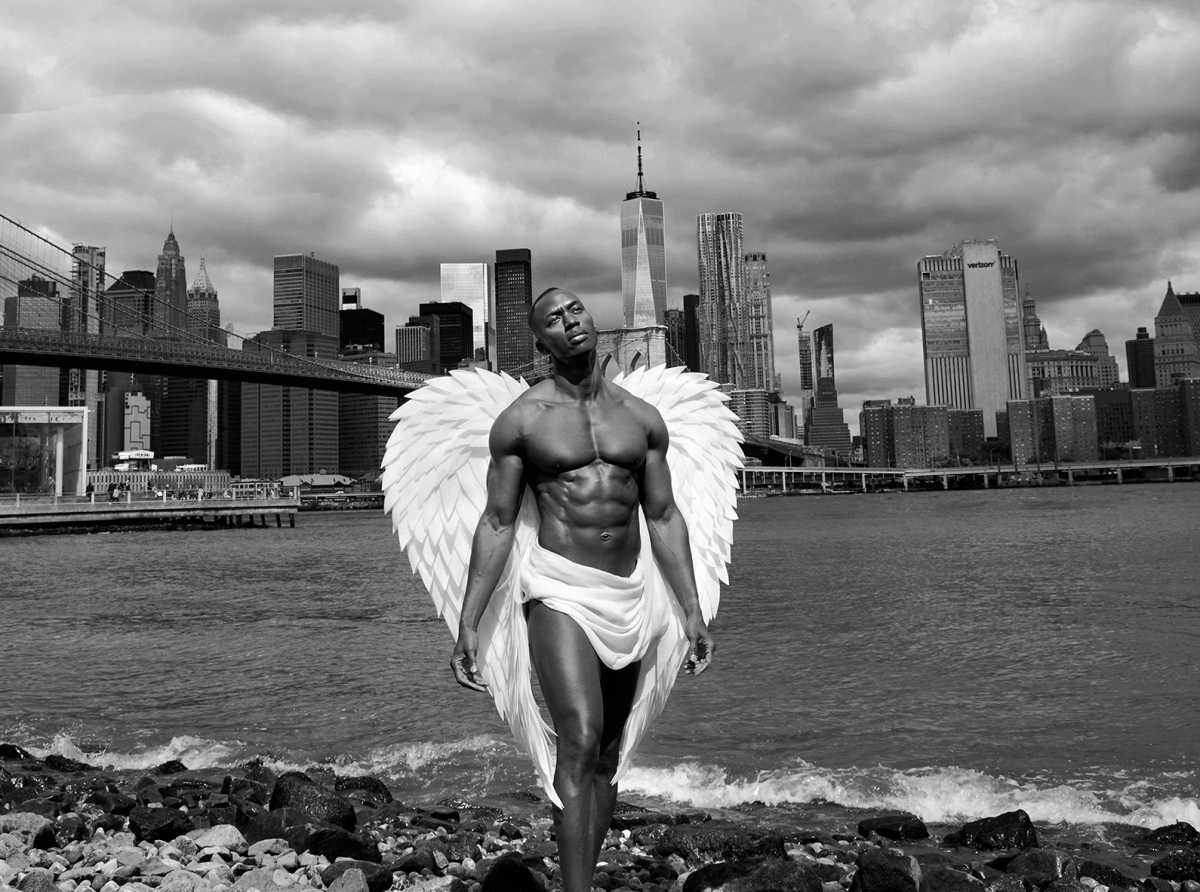
A new art show at Boiler Room by the photographer and activist Steven Love Menendez displays the tender side of the male form through depictions of angels that feel both timeless and deeply rooted in New York City’s queer history.
Menendez, who helped erect the first Rainbow Flag on federal lands and created the Rainbow Flag display at the Stonewall National Monument, spoke to Gay City News about his series, which pays homage to the early gay rights activist Randy Wicker and the artist, activist and archivist Agosto Machado, who passed away last month.
How did this show come about?
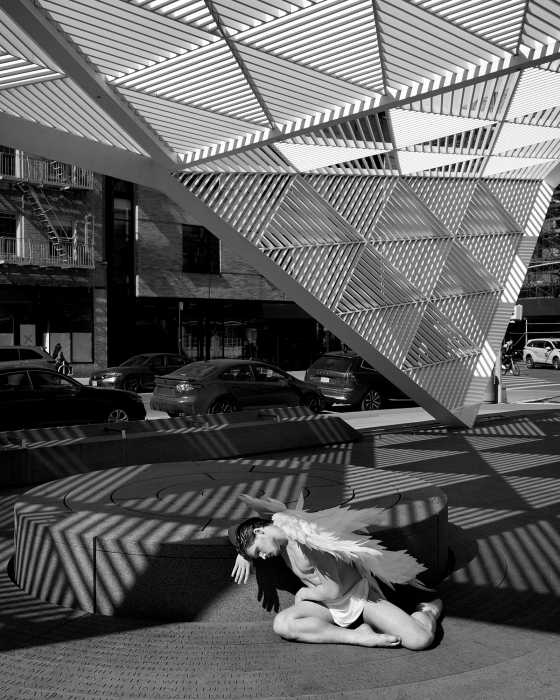
I’ve been shooting male figurative nudes for about a decade. A few years ago, I started doing some portraits of angel depictions, kind of mirroring the idea of angel paintings in the Renaissance. And this is something I’m doing in my regular images also, something that’s described at times as the divine masculine, which is trying to show the softer, more tender side within the male form.
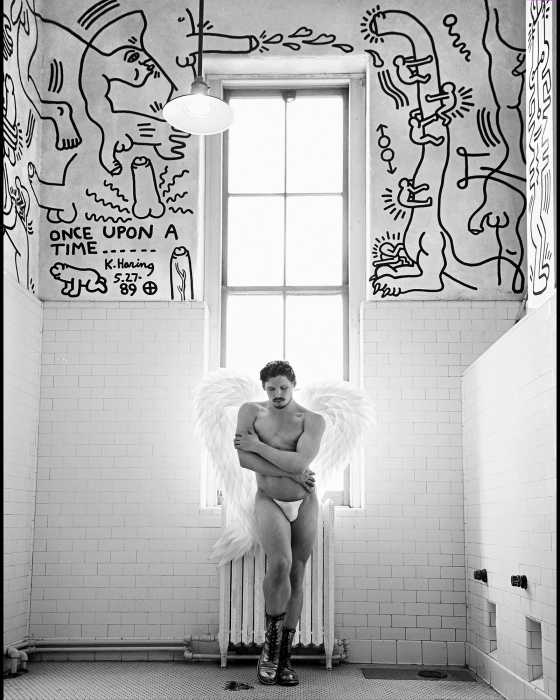
So I was asked to do a show at the Boiler Room, and I had the idea to show this series of angel pictures exclusively. I was deciding where to take the portraits and I got inspired to do portraits in the area of some of the iconic historical, queer landmarks in the West Village. So the shots took on a different tone and became more rooted in our community spaces.
What drew you to the divine masculine and to depicting male nude figures in your career?
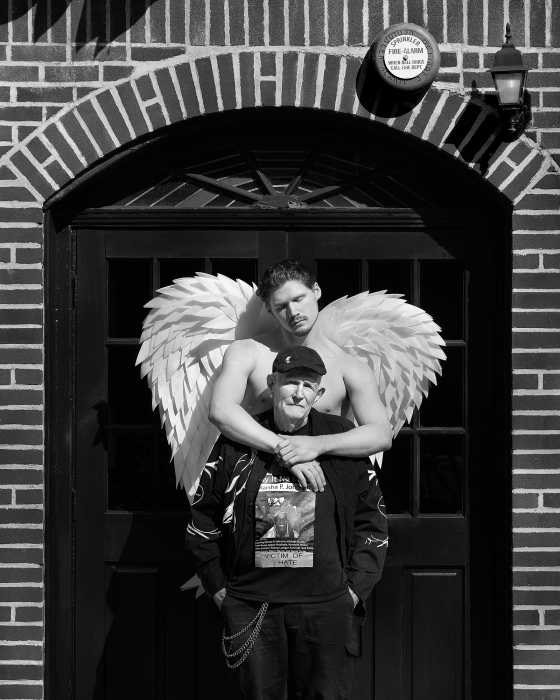
Growing up gay, I was an obvious, effeminate child, and I was picked on for the idea of being gay. So for me, the idea of the divine masculine is like reclaiming my power. Especially in Western culture, the male form is so hyper-masculinized that having these sensitive emotions or feelings or sides to yourself are considered weaknesses. So I wanted to glorify the beauty of what can be part of being in a male form. I wanted to show the beauty and the strength.
In male figurative photography, especially when it’s the nude, it’s been commonplace to hypermasculize and very much oversexualize the images. I’m not judging that, but for me, I also wanted to show a different side of the persona, so there’s more of an emotional and spiritual tone to the images. Typically in my images, the models are not making eye contact. They’re very reflective. Like if you see paintings of the Buddha, many times the eyes are closed or in the iconography of saints, their eyes are closed a lot. It’s this idea of going within.
I wanted to show other emotions too, which you’re not typically seeing in modern day photography of the male form, showing grief, loss and sadness. That also mirrors a lot of the images that you see in the Renaissance. I spent time at the Orse Museum in Paris, and I’d say three quarters of the marble sculptures were in some kind of grief or agony or sadness. There’s a beauty in connecting to that experience.
What are you drawn to about black and white photography?
I have a fashion background, and when I got into the photography industry in the early 1990s, there was a real passion and love for the classical idea of beautiful black and white fine art photography. So I’ve always loved that as a medium and as an aesthetic. And I think when the color is removed, somehow it makes the picture take on a more emotional and timeless tone, and sometimes more mysterious.
Why did you choose to include Agosto Machado in the exhibit?
I got to meet Agosto Machado through Rumi Missabu from The Cockettes, and I was asked to do some performances with them.
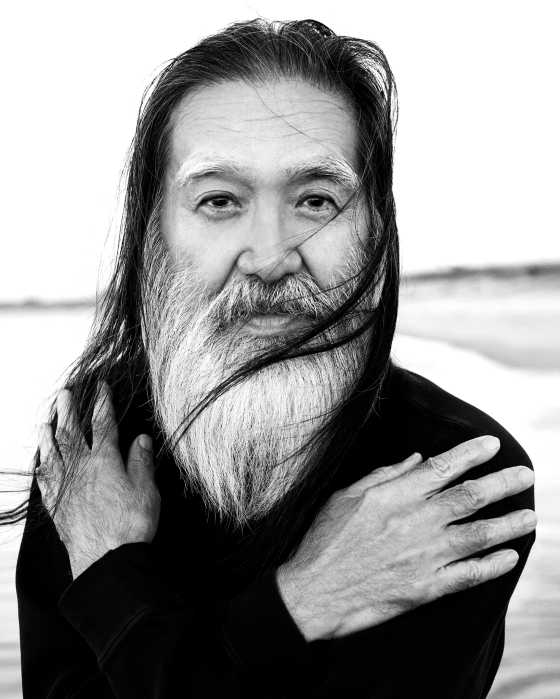
This wasn’t the narrative of the show exactly. I was just going to show an archive of my angel images, but throughout my life, I’ve met different people that I feel have unconditional love and compassion, especially towards the most marginalized members of our community. And so to me, I see them as earth angels.
So I had that portrait that I shot of Agosto, I think it’s almost 10 years ago. Agosto in some of his writings had mentioned how he believes in angels in the afterlife. Even though he’s not wearing wings in the picture, I still see him as an angel-like being. I just wanted to pay homage to him, pay homage to Randy, pay homage to our elders and pay homage to all of our sacred spaces in the city.
There seems to be a multi-generational dialogue throughout the exhibit.
I’m very interested in the history and the meaning of these spaces. So it was interesting because a lot of my prior work to this show has been figures in nature and isolated spaces, I haven’t really done a lot of photography in spaces that are urban.
My uncle, Jorge Menendez, died from AIDS in 1991 and he was the first person that took me to the Stonewall National Monument and to the park to let me know that’s where the riots took place and where we gained our rights. So I’ve always had a connection to that space. And as I was shooting at the AIDS memorial, it also made me think of my uncle as well.

Could you tell me more about your own relationship with activism?
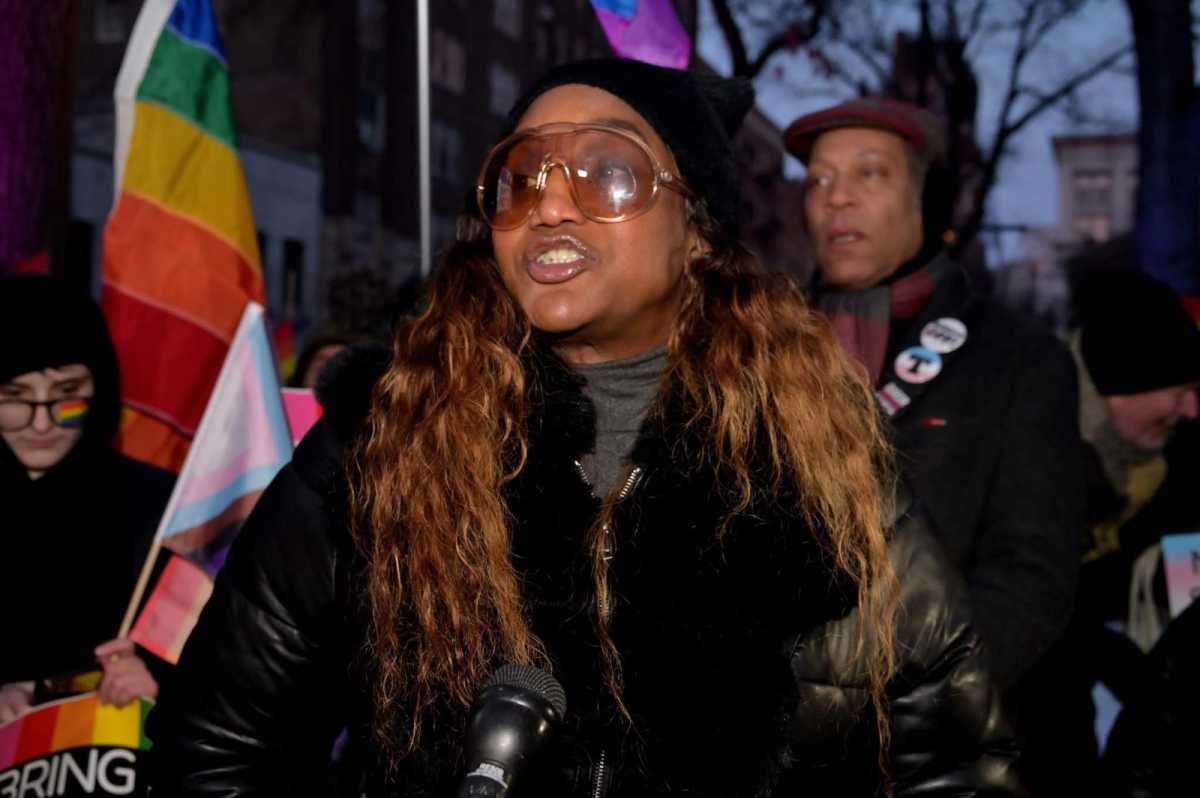
I got turned on to the activism scene during Occupy Wall Street. During Occupy Wall Street, I started carrying a Rainbow Flag. And immediately people were asking me to carry that flag up in the front. I had the Rainbow Flag that said peace, and I’ve always been an anti-war person, so the flag kind of had multi-layered meanings.
When Christopher Street Park was declared a national monument, I immediately got involved with the park. I went to some of the early community meetings. Then I ended up reaching out to the superintendent of national monuments in New York and that’s how I created the installation of the flags around the park and got involved in helping to get the first Rainbow Flag installed.
How did you feel when the first Rainbow Flag was installed?
It was thrilling, and it took years. Because where that flag is right now, I had an activist flag, it was a temporary pole that I was getting a permit to put in, but they would never let me leave it there permanently, I’d have to take it out at the end of pride month.
Seeing young people, tourists, [and] Stonewall veterans come in the park and how having that symbol there made them feel seen and celebrated, and made it feel like a safe space, was one of the most rewarding experiences I’ve ever had in my life.
Menendez’s work will be on view at the gay bar Boiler Room, located at 45 Second Avenue in the East Village, until April 8.
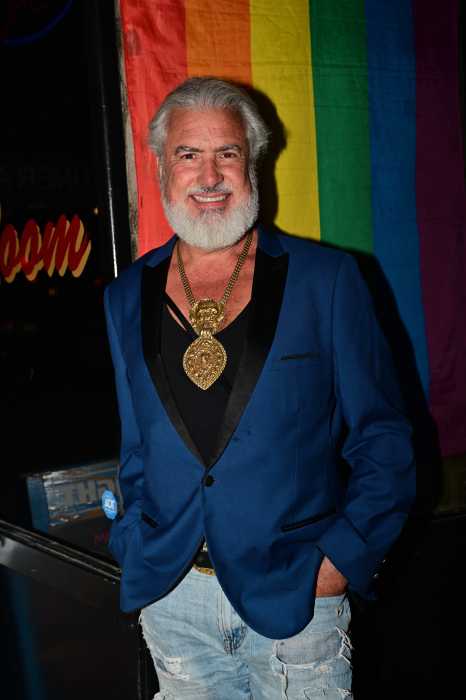
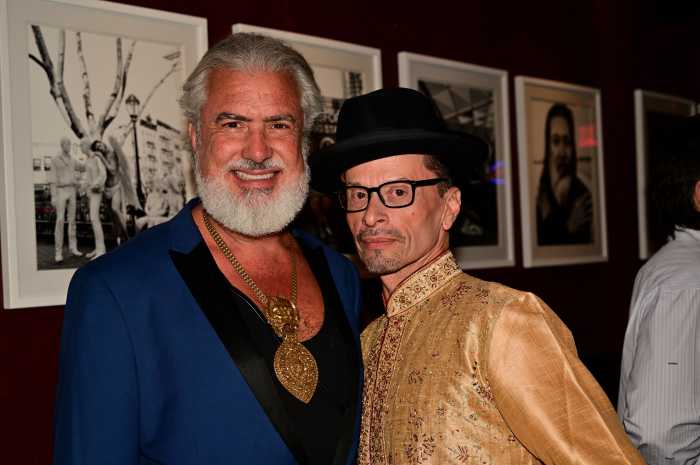
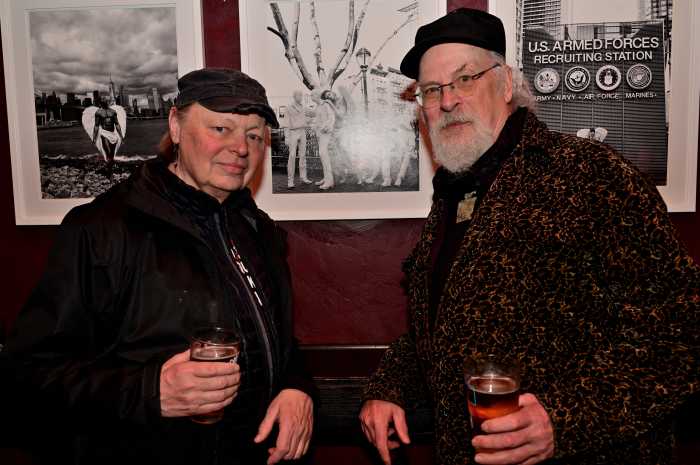
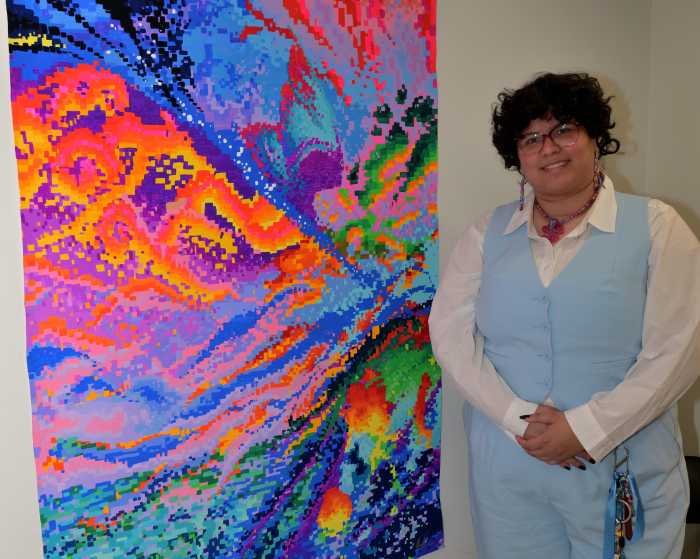
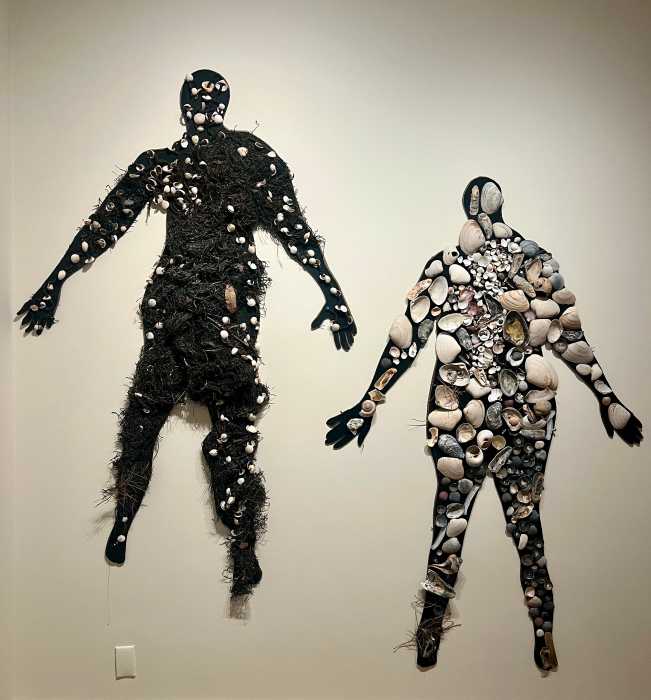
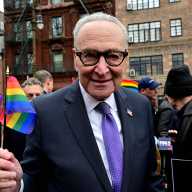
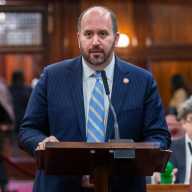
See some photos of the art show’s April 2 opening reception below: