
A man was kissing his transgender partner aboard a 6 train earlier this month when he was attacked by another passenger who yelled a homophobic slur and struck him with a sharp object, according to police.
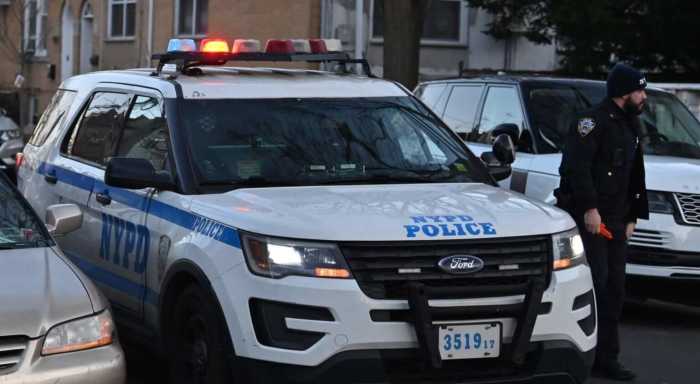
The sudden attack, which unfolded just before 8 p.m. on Jan. 10, led to a verbal dispute that ultimately took a dangerous turn when the unknown assailant allegedly attacked the 28-year-old victim on the right side of his face, causing a laceration, an NYPD spokesperson told Gay City News. There is no indication that the trans woman suffered any physical injuries.
The alleged attack took place as the 6 train pulled into the 23rd Street station on a Saturday evening. The suspect fled the train at the 23rd St. station, while the victim exited the train at the 14th Street-Union Square station.
The victim was transported to Bellevue Hospital. The alleged attacker fled the scene. Police have yet to identify or find the suspect.
The attack came just days after the NYPD announced that there were 52 hate crimes driven by sexual orientation last year, down by 38% from 2024, according to a press release distributed by the police on Jan. 6. (The press release did not specify gender identity-related incidents, though it did say there were 28 hate crimes motivated by “gender.”) Despite the decrease, sexual orientation-related hate crimes still ranked second among all hate crimes, behind only anti-Jewish hate crimes. There were 330 anti-Jewish hate crimes in 2025, down only slightly from 339 in 2024.
Early last year, officials in the Office of Manhattan District Attorney Alvin Bragg expressed concern to Gay City News about what they described as a “troubling high number” of anti-LGBTQ hate crimes, including on the subway. At the time, Assistant District Attorney Hannah Yu cited one incident that resembled the one that took place on Jan. 10 in which a gay couple was slashed in a sudden anti-LGBTQ attack while riding the subway.
In an attempt to address the wave of hate crimes, Yu said the Manhattan DA’s office opted to utilize a multi-faceted approach, including deploying a large unit of analysts and prosecutors who are trained on such hate crimes, engaging in community outreach to local community organizations to encourage people to come forward and report the crimes, and incorporating an educational component at CUNY schools and other colleges to educate students on what is a hate crime, how to report it, and what to expect when such crimes are reported.