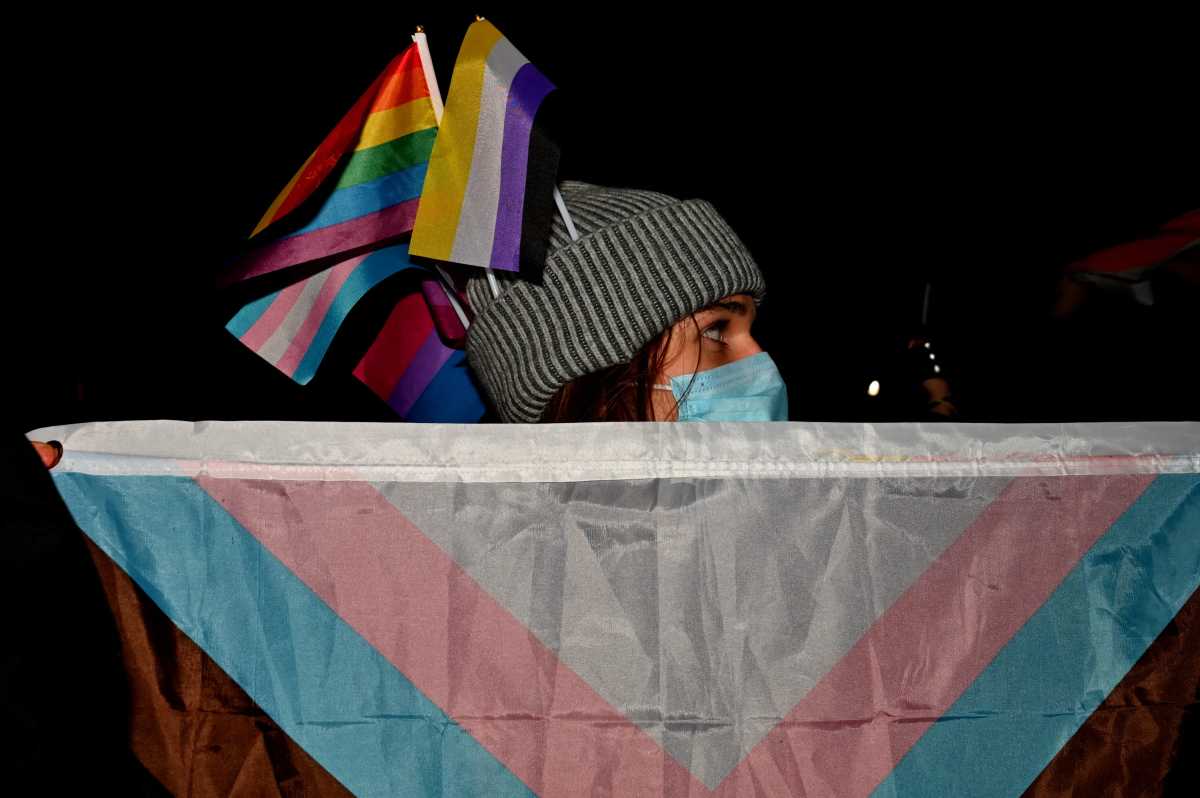
For transgender people, a name carries weight. It can determine whether one moves through the world safely — or faces discrimination and danger.
Aligning legal documents with one’s gender identity is essential for everything from job applications to housing access to travel to interactions with government agencies. Our Civil Rights Practice Group has recently worked with three transgender clients in New York who sought legal name changes so their identification would reflect who they truly are, and so they could live their life free from fear of being misidentified, “dead-named,” or targeted. They sought protection and peace of mind through civil legal services.
For each of these clients, it was a long process. Their name change petitions were granted. But the court, the same judge in each case, denied each petitioner’s request to seal the record. That meant the filings — which contained the clients’ “dead” names and effectively disclosed that they are transgender — would remain publicly available through court records.
Our clients are not “out” about their transgender identities. They each feared that this information would become accessible through a simple court search, exposing them to discrimination.
New York law allows courts to seal name change records in cases where privacy and safety are at stake, including for transgender people. But in this instance, the judge handling the case had been denying sealing requests for all applicants, despite legislation and a prior appellate ruling overturning the same practice.
Without legal assistance, our clients would likely have no realistic way to challenge that decision. Appeals are complex, time-consuming, and often out of reach for people already navigating the challenges of daily life.
But because they were able to access civil legal services, we filed appeals for each client.
Around the same time, another case challenging similar denials reached the Appellate Division. The court once again made clear that the judge’s approach was improper. Soon afterward, the judge issued a new order sealing two out of three of our clients’ name changes. In the third case, we argued at the Appellate Division in January, and recently received a decision, reaffirming that transgender client’s name changes should be sealed to protect their safety.
Because of these decisions, our clients have the freedom to live their lives as they truly are.
Civil legal services exist to fight for these kinds of protections, to ensure that people’s rights under the law are actually enforced.
Across New York, these services help low-income residents navigate legal problems that affect the most fundamental aspects of life: keeping a roof over their heads, escaping domestic violence, maintaining custody of their children, securing immigration status, or accessing public benefits that allow families to survive.
But the ability to provide that help depends heavily on a unique funding source: the Interest on Lawyer Account Fund, known as IOLA.
Created in the 1980s, IOLA pools interest earned on certain attorney trust accounts and distributes it to civil legal services organizations throughout New York. Crucially, these funds do not come from taxpayers. They are generated from interest on lawyer escrow accounts and are dedicated by law to support legal aid for people who cannot afford an attorney.
The impact is enormous. In fiscal year 2025, IOLA-funded organizations closed 336,789 legal matters, helping 691,846 people across the state. Those services generated an estimated $5.47 billion in economic benefits and savings for New York families.
Yet despite its importance, this funding is now at risk.
The governor’s executive budget did not provide full spending authority for the IOLA Fund. Without that authority, money already generated for civil legal services may not be fully accessible to the organizations that rely on it.
If that happens, the consequences will be felt across the state: fewer attorneys available to help people facing eviction, survivors fleeing abusive relationships, immigrants navigating complex legal systems, and transgender New Yorkers trying to secure their safety and dignity.
And those consequences could come at a particularly dangerous moment.
Across the country, we are seeing escalating attacks on the rights of transgender people — from efforts to restrict health care to policies that attempt to erase recognition of trans people altogether. In that climate, access to legal assistance is a critical safeguard.
The Legislature included full authorization of $102.5 million in their budget proposal. We are now awaiting the final budget, which will decide if the money generated for the IOLA Fund is fully accessible for its intended purpose.
These funds are already there. They were created specifically to support civil legal services. They simply need full spending authority.
For my client, access to legal representation meant the difference between having her private identity exposed to the world or protected under the law.
Every New Yorker deserves access to civil legal services when their rights — and their safety — are on the line. Ensuring full access to IOLA funding will help make sure they can get it.
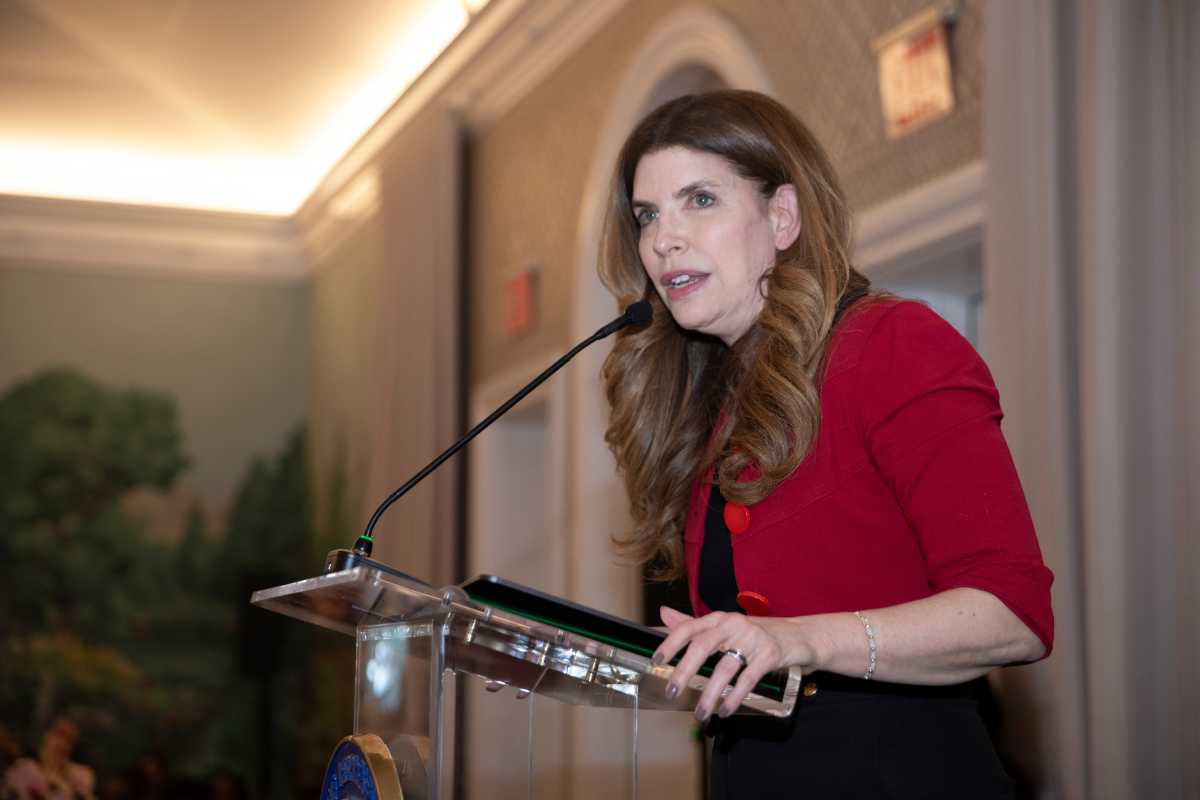
Katie Blum is the Managing Attorney of the Civil Rights Practice Group at the Empire Justice Center