Have you ever felt like you didn’t belong in your own city? I have.
I was born and raised in New York City, one of the most diverse and dynamic places in the world, and yet, like so many young people, I often felt out of place. I grew up navigating intersections of identity that didn’t fit neatly into any one box: queer, non-binary, child of an Italian-American mother and a South Asian immigrant father. I was supposed to be a girl who liked boys and wore makeup, but all I wanted to do was play Nintendo with my brothers. I was supposed to be just another American kid, but when my teachers mispronounced my name, other students would snicker. I felt different, too other, too weird, not enough.
And yet, I was also lucky. I had a loving family, a safe home, quality schools, and healthy food to eat. Those opportunities set me on a path that many young people never get. Looking back, I feel deep gratitude for that safety and support and for the harder moments, too. Those feelings of being unseen and alone became my compass, pushing me to seek belonging and, when I couldn’t find it, to create spaces of hope and possibility for other kids like me.
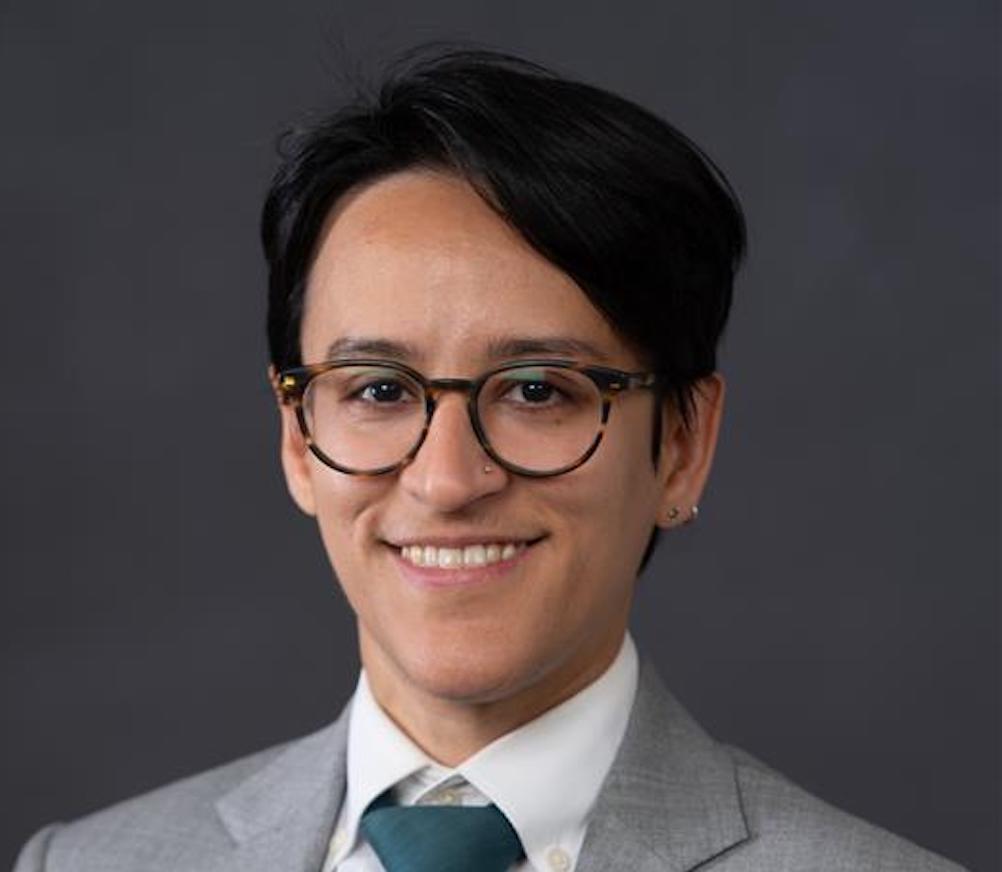
That drive led me to a career in public service, advancing policies rooted in equity and justice for the city and state that raised me. Today, I am honored to serve as the new executive director of the NYC Commission on Gender Equity (CGE) — the first queer, non-binary, and South Asian person to lead the office — which is charged with addressing inequities facing women, girls, transgender, intersex, gender non-conforming, and non-binary New Yorkers.
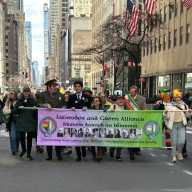
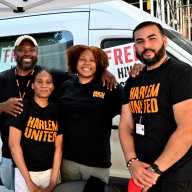
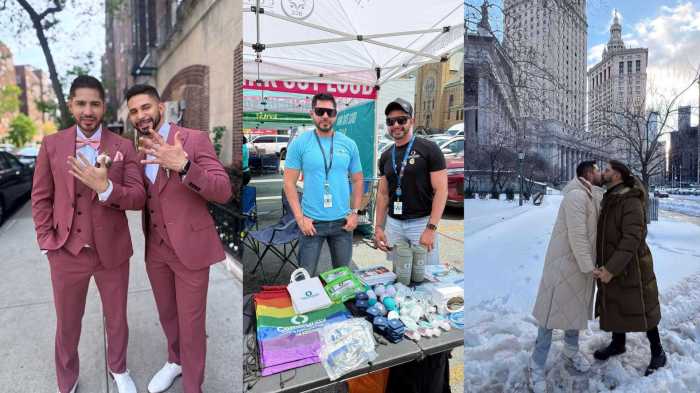
In my first few months as executive director, we organized a Gender Equity Community Resource Fair, connecting hundreds of New Yorkers to free food, menstrual products, safe sex supplies, toys for kids, and essential services like job placement, child care, health screenings, voter registration, and know-your-rights information. We’ve joined the community at events across the city, from open streets in East Harlem, to a youth program in East Flatbush, to a NYCHA senior center in Queens. We’ve hosted webinars for city employees to build more inclusive workplaces, developed a new series of gender equity workshops for organizations, and run a period awareness campaign in collaboration with NYC Her Future. We’ve raised our voice on policy issues by reconvening task forces on street harassment prevention and sexual health education, meeting with international delegations, and providing expert testimony to the City Council. Finally, we convened our advisory board, the CGE Commission, to begin shaping a new strategic plan to chart the future of CGE and gender equity in NYC.
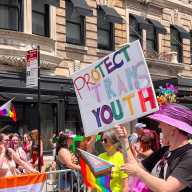
These initiatives aren’t just boxes to check, they are opportunities to meet people where they are and hear directly what gender equity means to them. And what we hear is clear: gender equity is under attack across the country. From book bans and reproductive restrictions to increasing anti-LGBTQ violence, equity is being framed as something bad for society. But here in New York, we know the truth: gender equity benefits everyone.
Gender equity means the new mom who doesn’t have to choose between diapers and rent. The Black middle school boy who isn’t disciplined twice as much for being a kid. The non-binary person who doesn’t have to check the wrong box to access health care. The fashion designer walking down the street in their most fabulous outfit without fear of harassment. Gender equity ensures access to housing, affirming health care, schools, jobs, and safe neighborhoods. And when we make systems more equitable, we make New York fairer and stronger for all.
But gender equity isn’t only about big policy changes — it’s also about everyday actions. Checking in on someone facing harassment on the subway, challenging gender stereotypes, and fostering respect in your communities all matter too. Each action, small or large, shows that gender equity is essential to who we are as a city.
Since stepping into this role, I’ve thought about that young person I once was — unsure, unseen, searching for a mirror to reflect the fullness of who I am. My hope is that my leadership at CGE can be part of that mirror for someone else. That a queer kid in Corona, a trans elder in Crown Heights, or a working mom in Mott Haven sees: You are not alone. This city belongs to you, too.
If we want New York City to be a place where everyone can thrive, we all have a role to play: attend a community event, volunteer at a local organization, advocate for inclusive policies, or simply speak up when you see injustice. Together, we can make our city stronger, fairer, and more welcoming — because when gender equity thrives, New York City thrives.