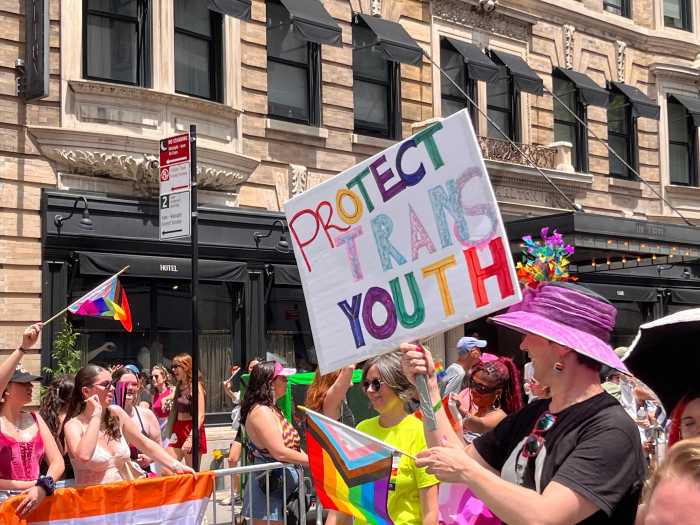
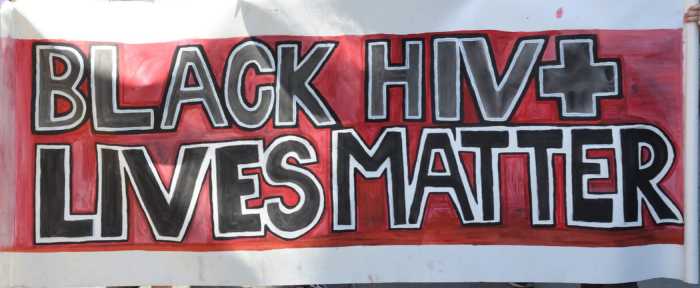
Forty years ago, the Centers for Disease Control and Prevention first reported that Black and Hispanic people were disproportionately affected by HIV. Today — four decades later — those disparities persist, and for transgender, gender non-conforming, and non-binary (TGNC/NB) communities, they have grown even more profound.
That reality should outrage every one of us. Because what was once a public health emergency has become a test of our collective will — a question of whether we truly believe that the health of every one of us is equally worth protecting. We must strive for much better, especially for the TGNC/NB people whose experiences are too often erased in both policy and practice.
In 2025, we know more about HIV than ever before. We have powerful prevention tools like pre-exposure prophylaxis (PrEP), including long-acting injectables, and post-exposure prophylaxis (PEP). We have effective treatment that allows people living with HIV to lead long, healthy lives and suppress the virus to be undetectable and untransmittable. And we know how to end the epidemic: by ensuring broad, equitable access to the prevention, treatment, and care strategies we already know work.
And yet, in New York and across the country, Black and Hispanic/Latine communities — especially Black and Hispanic/Latine gay and bisexual men, transgender and cisgender women of color, and young people of color — continue to bear the greatest burden of this disease. Although Black and Hispanic/Latine people represent only 12% and 19% of the U.S. population respectively, Black people account for 39% of HIV diagnoses and 40% of people living with HIV, while Hispanic/Latine people account for 31% of HIV diagnoses and 26% of people living with HIV, according to the most recent data from the U.S. Centers for Disease Control and Prevention. For TGNC/NB people, particularly transgender women of color, HIV prevalence remains unacceptably high.
These disparities don’t exist because of peoples’ personal choices. They exist because systems have failed — systems rooted in racism, transphobia, xenophobia, stigma, and structural neglect. Systems that continue to underfund organizations with TGNC/NB leadership and overlook solutions created by the people most impacted. The pervasiveness of these injustices across U.S. institutions, policies, and practices is what led Governor Hochul to create an Equity Agenda to “protect the fundamental rights of all New Yorkers and widen the opportunity for people of all backgrounds, beliefs, and identities to pursue the New York Dream,” which includes achieving optimal health for Black and Hispanic/Latine New Yorkers. That promise must extend fully to TGNC/NB communities – not partially, not symbolically, but with meaningful investment and action.
At Amida Care, Callen-Lorde Community Health Center, Destination Tomorrow, the Latino Commission on AIDS, and the National Black Leadership Commission on Health, we’ve seen firsthand how inequities in access to care, housing, education, income, mental health services, and social supports perpetuate the HIV epidemic. We’ve also seen what happens when we invest in culturally competent, community-driven care: people get tested, people get treated, and people thrive.
On this World AIDS Day, we can celebrate advancements in medical treatment as effective prevention. We can also recognize the importance of programs such as Medicaid and Ryan White, rapid and routine testing, harm reduction efforts, and “Ending the HIV Epidemic” initiatives as smart and successful approaches. At the same time, recent and proposed cuts to these programs threaten to slow or reverse the progress we have made. Now more than ever, it is important to ensure that progress reaches everyone.
That’s why we’re calling for urgent, coordinated action at every level of government and community to confront these disparities head-on. We must:
- Continue to invest in community-based, culturally responsive health care, including gender-affirming care, that recognizes the unique experiences and needs of TGNC/NB people.
- Expand equitable access to prevention and treatment, including PrEP, PEP, and HIV care, addressing stigma (homophobia, transphobia and xenophobia) and cost barriers.
- Fund housing, nutrition assistance, mental health, and harm reduction services with a TGNC/NB equity lens, because HIV is not just a medical issue — it’s a social justice issue.
- Center the leadership of Black and Brown people, including LGBTQ+ individuals, women, youth, and individuals with lived experience in shaping HIV prevention and care strategies.
- Protect funding for Medicaid, Ryan White, research, community health centers, community-based organizations, and TGNC/NB-serving organizations providing vital education and social support services.
Every statistic about HIV represents a person — a son, a daughter, a friend, a neighbor — whose health and dignity matter. Every delayed policy, every underfunded clinic, every overlooked community deepens an injustice that has lasted for generations. Cuts to Medicaid funding will only worsen the impact of HIV on communities of color.
We can commemorate World AIDS Day, but we cannot afford to commemorate another decade of disparities. The science is clear, the tools are here, and the need is urgent. The only question left is whether we will act. We are getting closer to ending the epidemic for all, but we must keep moving toward this goal.
At Amida Care, Callen-Lorde Community Health Center, Destination Tomorrow, the Latino Commission on AIDS, and the National Black Leadership Commission on Health, we are committed to building a future where no one’s race, gender identity, sexuality, immigration or economic status, physical or mental ability, or ZIP code determines their health outcomes. Ending HIV means ending inequity — and that begins with all of us.
The time for reflection has passed. The time for action is now.
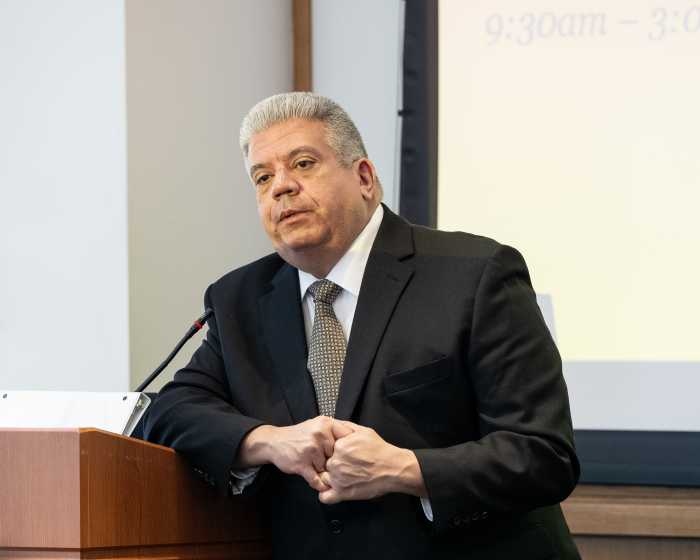
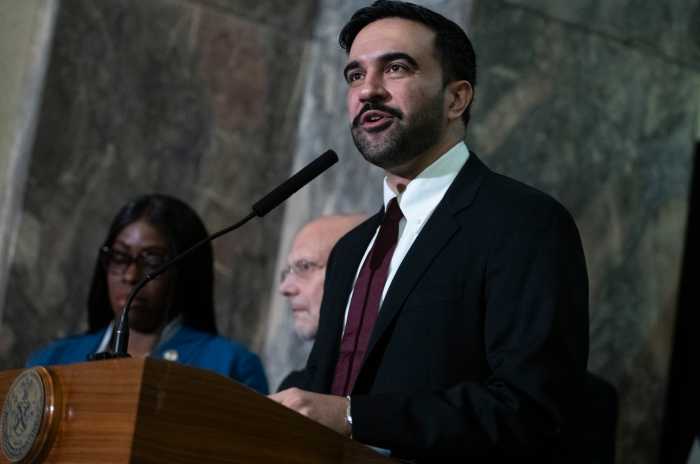
Guillermo Chacón is the president of the Latino Commission on AIDS; Sean Coleman is the founder/CEO of Destination Tomorrow; Joe Pressley is the vice president of public policy and government relations at Amida Care; Kimberleigh Joy Smith is the executive vice president of public policy and communications at Callen-Lorde Community Health Center; and Shirley Torho is the president & CEO of the National Black Leadership Commission on Health.